
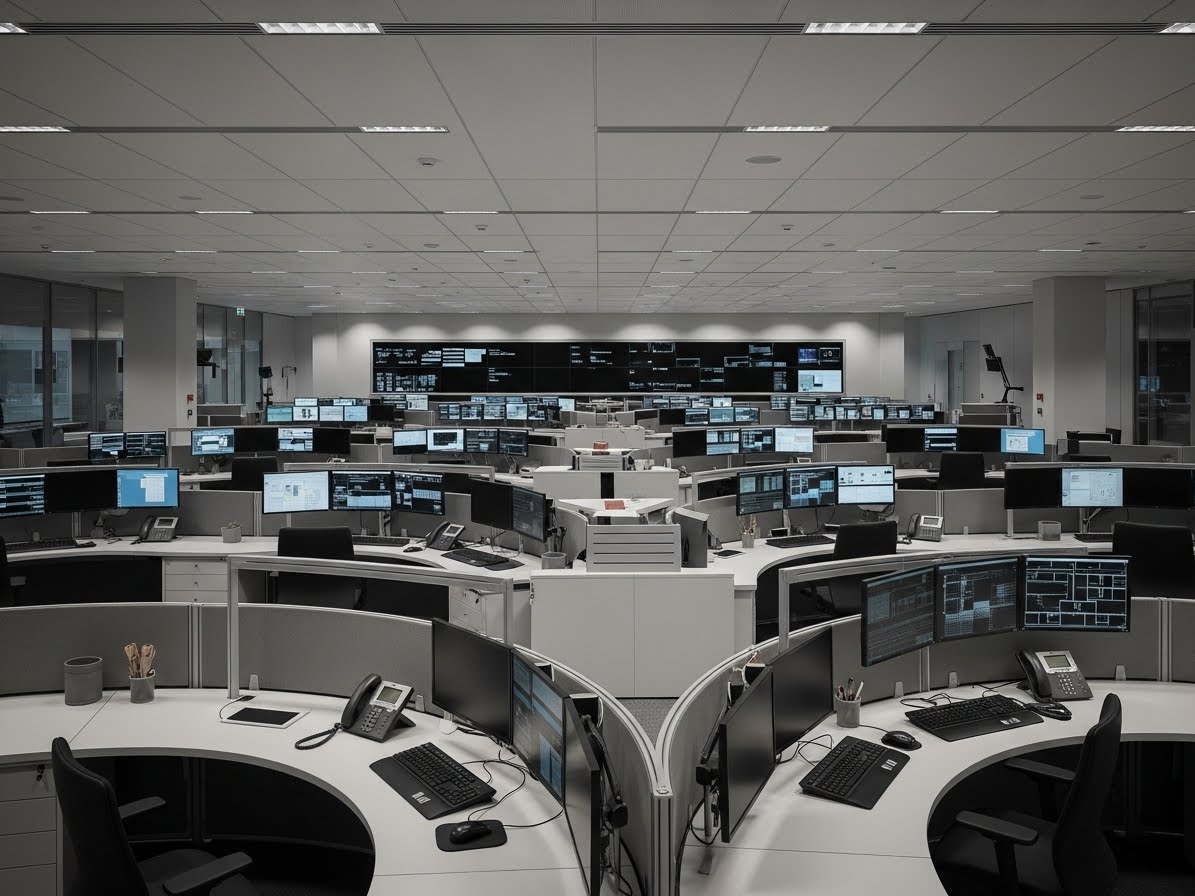
Ergonomics in control rooms was long reduced to a matter of furniture. Chairs, desks, and monitor placement were treated as secondary considerations — important for comfort, but separate from operational performance. As long as operators could sit and see the screens, ergonomics was considered sufficient.
In reality, physical strain quietly undermines performance.
Discomfort accumulates gradually. Poor posture increases fatigue. Limited movement reduces alertness. These effects rarely appear as immediate failures, but over time they erode focus, slow reactions, and increase the likelihood of error. In environments that demand sustained attention, small physical stresses become operational risks.
Human-centered ergonomics recognizes that performance is inseparable from the body. It supports posture that reduces strain, layouts that encourage natural movement, and environments that sustain alertness over long periods. Ergonomics is not about comfort for its own sake — it is about endurance.
Well-designed ergonomic environments allow operators to maintain consistency hour after hour. They reduce the cognitive cost of physical discomfort and preserve mental clarity. When the body is supported, attention remains available for decision-making.
In modern control rooms, ergonomics is a foundational element of reliability. It protects human performance from silent degradation and ensures that teams can operate effectively, not just briefly, but over time.