Operational Control Precision

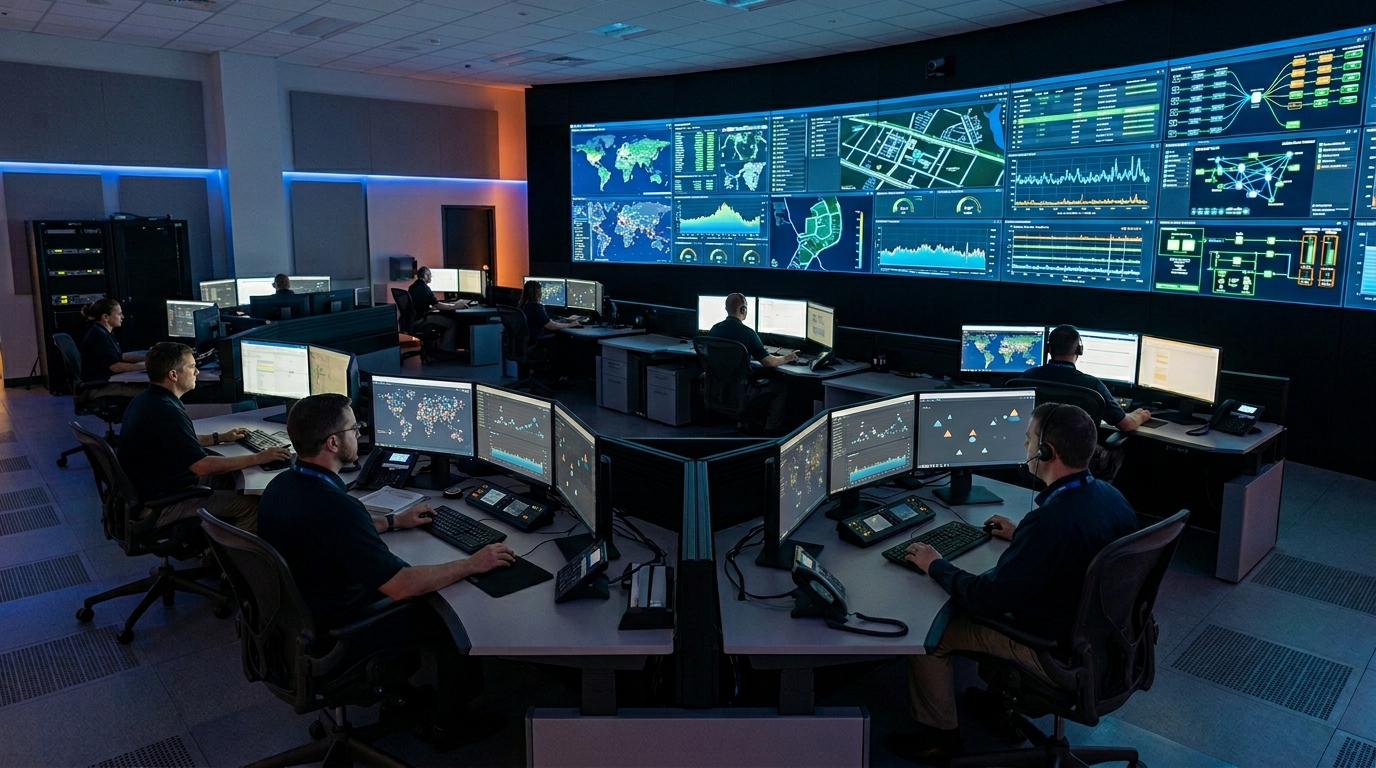
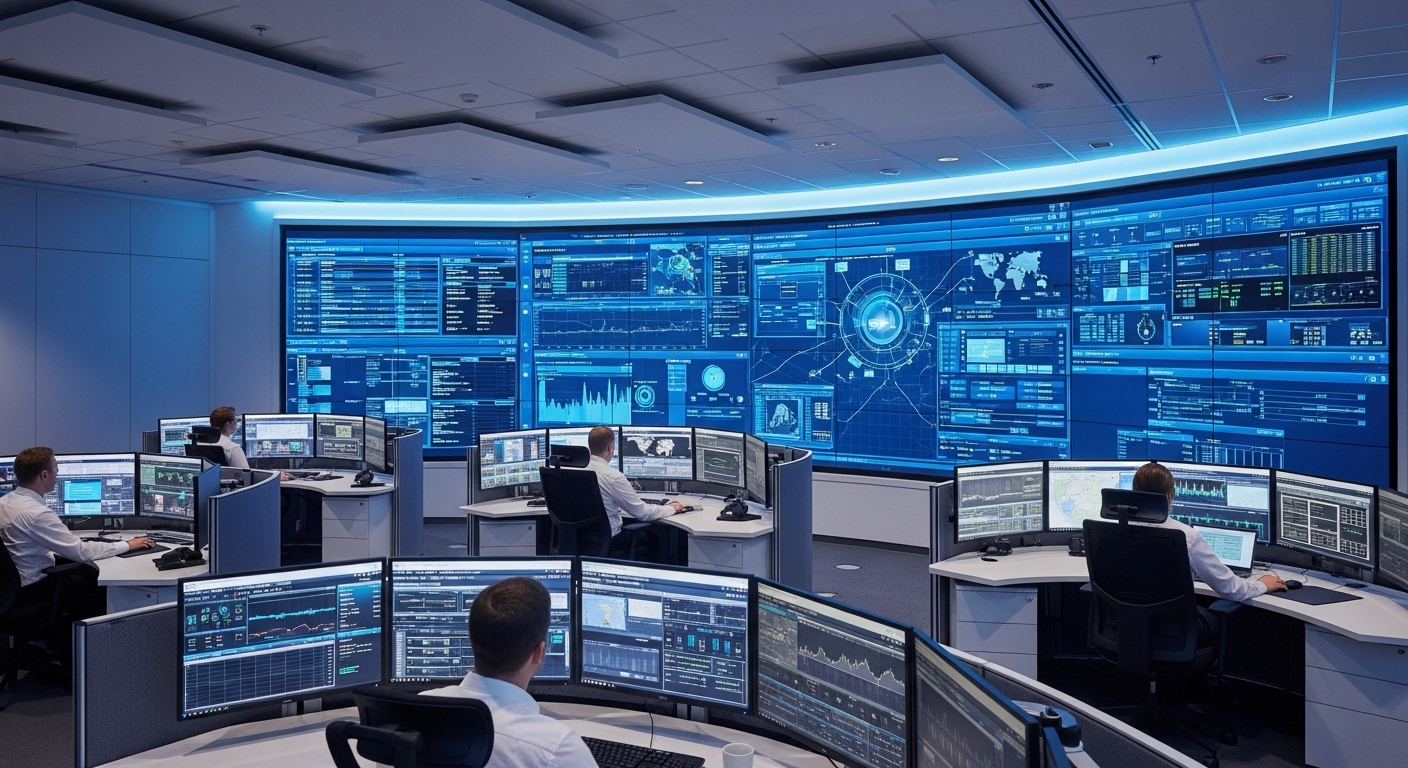
Control rooms are the central nervous system of modern operations, where critical decisions are made under pressure and in real time. Their effectiveness depends on how well information is structured, visualized, and delivered to operators who must act quickly and accurately. Precision begins with clarity. Interfaces must present only what is necessary, eliminating noise and […]

Enhancing Decision-Making in Control Rooms

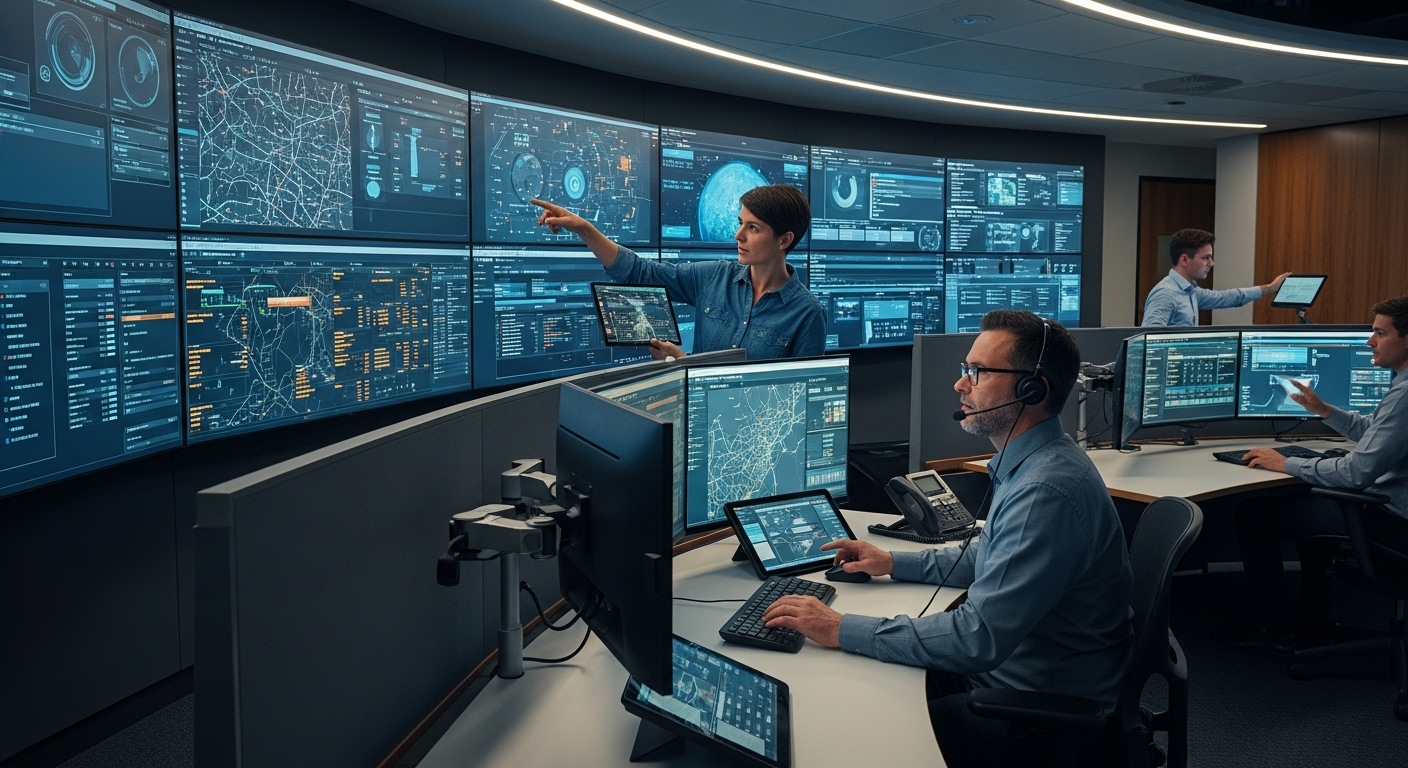
Decision-making in modern control rooms takes place under high pressure, often with significant operational and safety stakes. Optimizing this process requires a thoughtful integration of human expertise, advanced technology, and intelligent design to ensure decisions are accurate, timely, and effective. A key factor in enhancing control room performance is the hierarchical presentation of information. Data […]

Advanced Monitoring Systems

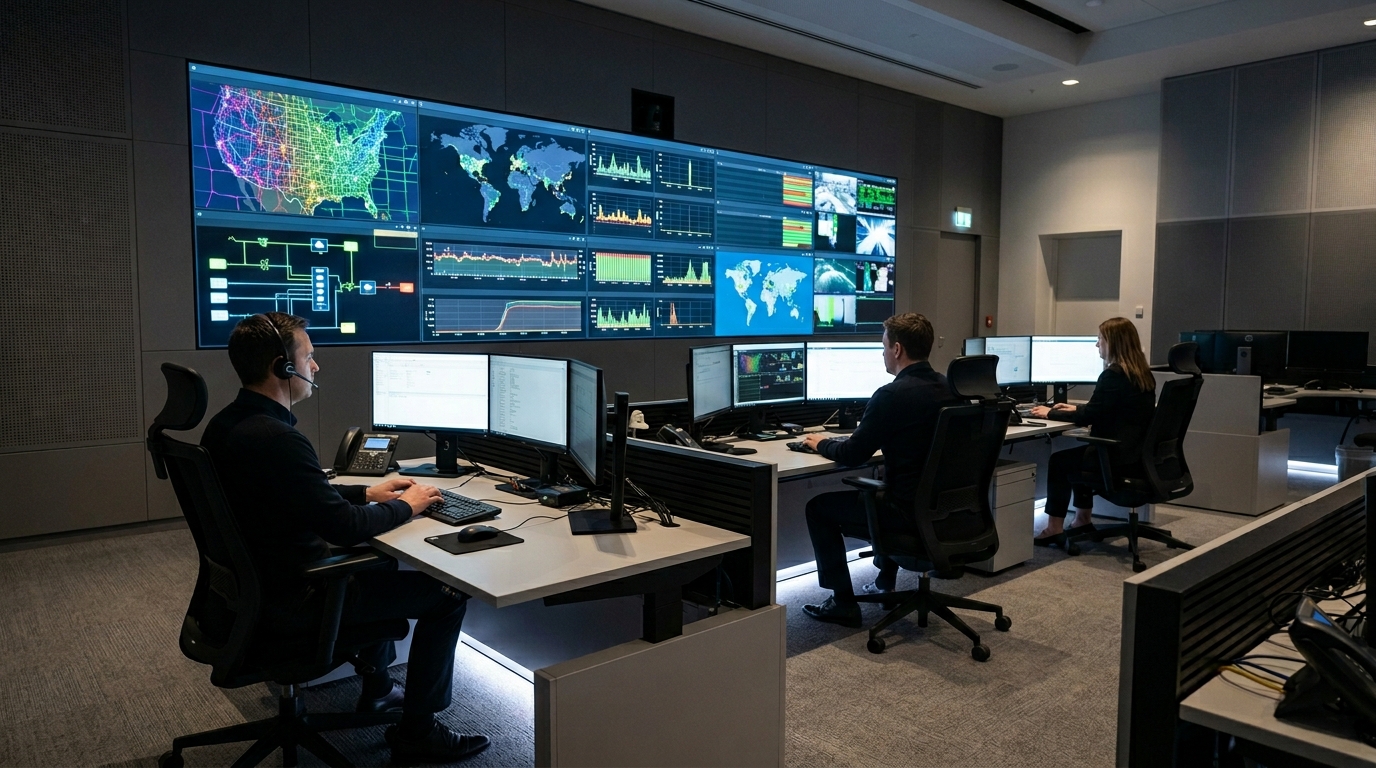
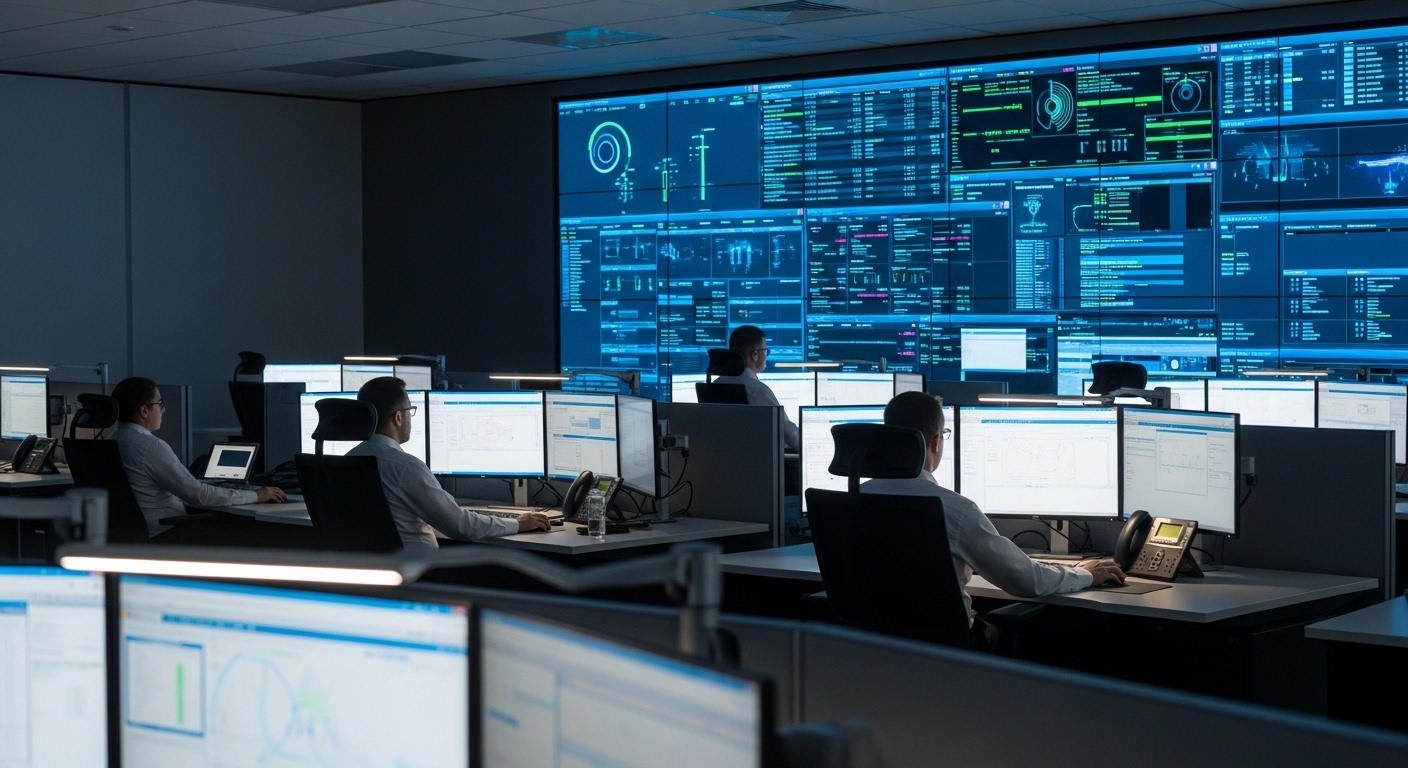
Modern control rooms rely on advanced monitoring systems to manage complex operations across multiple domains. These systems aggregate data from a variety of sources—including sensors, devices, and applications—offering operators a unified and comprehensive view of ongoing activities. By providing real-time visibility into operations, advanced monitoring empowers teams to make rapid, informed decisions while maintaining safety […]

Optimizing Control Room Operations

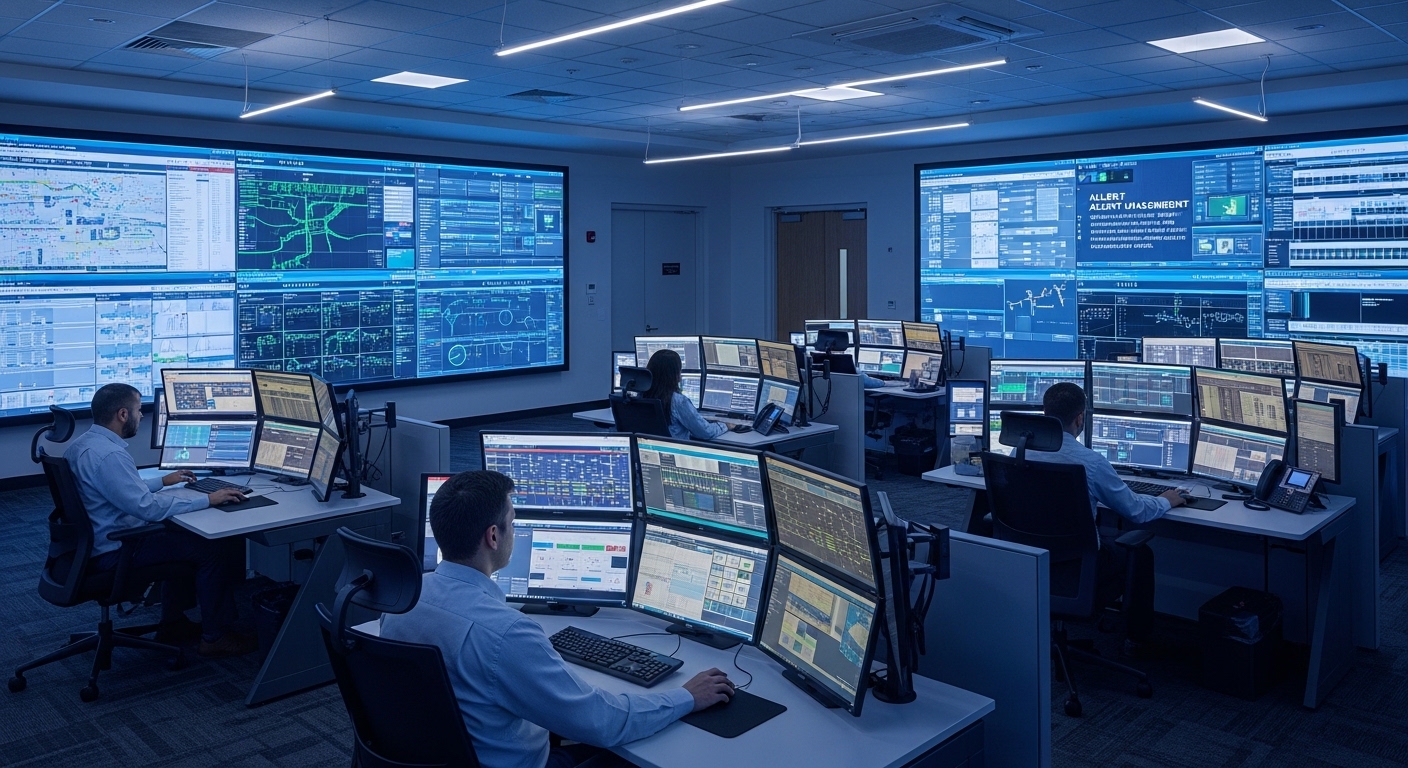
Control rooms serve as the nerve centers of critical operations, where precision, speed, and clarity define success. Whether managing utilities, transportation networks, security systems, or industrial facilities, operators must interpret complex information and act decisively under pressure. Optimizing control room performance requires more than advanced technology—it demands thoughtful process design and human-centered workflows that enable […]

The Control Room as a Strategic Nerve Center

There was a time when a control room was defined by its equipment. Walls of screens, rows of consoles, structured seating, and structured silence. It was perceived as a physical location — a space designed to observe systems and respond when something went wrong. The room itself was the centerpiece, and technology was the measure […]

The Future of Control Rooms in Smart Cities

There was a time when control rooms were isolated spaces. They managed power grids, monitored traffic, or oversaw security — each in its own silo. The systems were functional, mechanical, and largely disconnected. But over the past decade, something subtle yet transformative shifted — not in the technology alone, but in the expectations of the […]

From Monitoring Spaces to Intelligent Nerve Centers

There was a time when control rooms were understood as functional spaces. Screens displayed feeds, operators monitored activity, and systems logged events. The room was mechanical, transactional, and largely reactive. It existed to watch, to record, and to respond when something went wrong. But over the past decade, something subtle yet transformative shifted — not […]

The Language of the Room

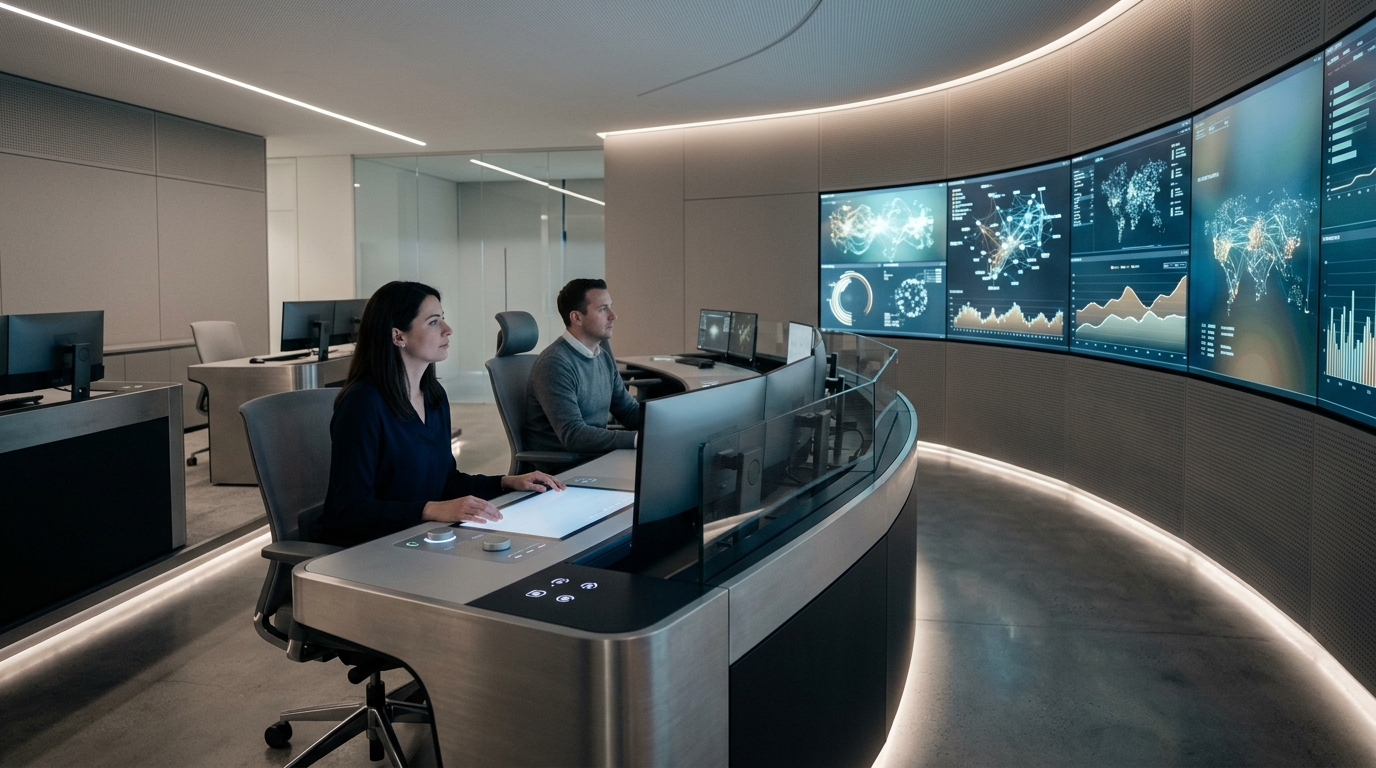
A control room speaks—not in words, but in signals. Its walls convey calm through muted tones. Its lighting communicates focus through precision. Its layout whispers efficiency through intuitive flow. Every element, from the curve of a console to the placement of a power button, forms part of a silent language—one designed not for visitors, but […]

The Invisible Thread of Integrated Execution

Building a control room is rarely about a single component. It is not just about screens, or software, or seating. It is about the invisible thread that weaves these elements into a unified whole—a thread made of planning, coordination, and deep technical fluency. This is the essence of integrated execution: the seamless orchestration of disciplines […]

The Architecture of Trust

In mission-critical operations, trust is not declared—it is built. It is constructed layer by layer, decision by decision, through consistency, transparency, and unwavering attention to detail. And nowhere is this trust more tangible than in the physical and operational architecture of a control room—a space where reliability must be engineered into every component, every workflow, […]