Strategic Design Impact

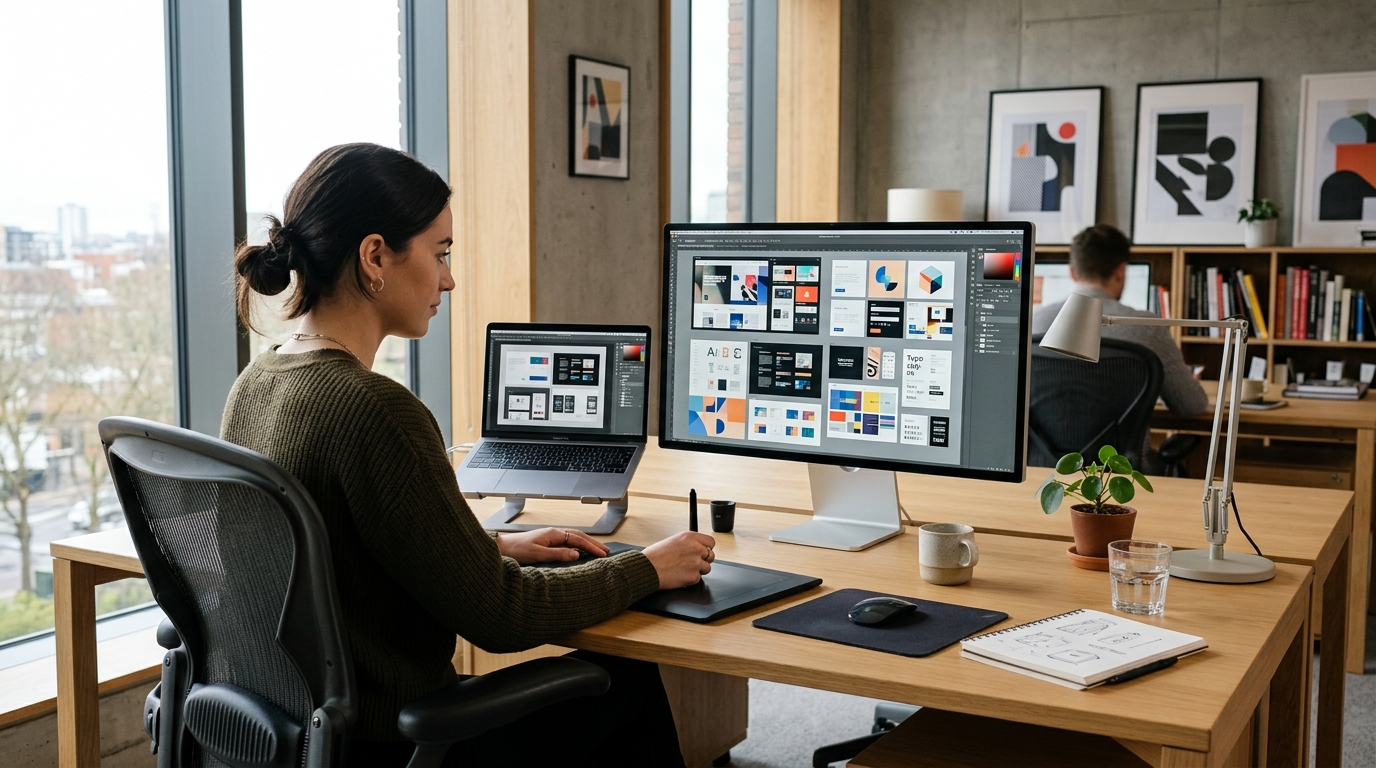
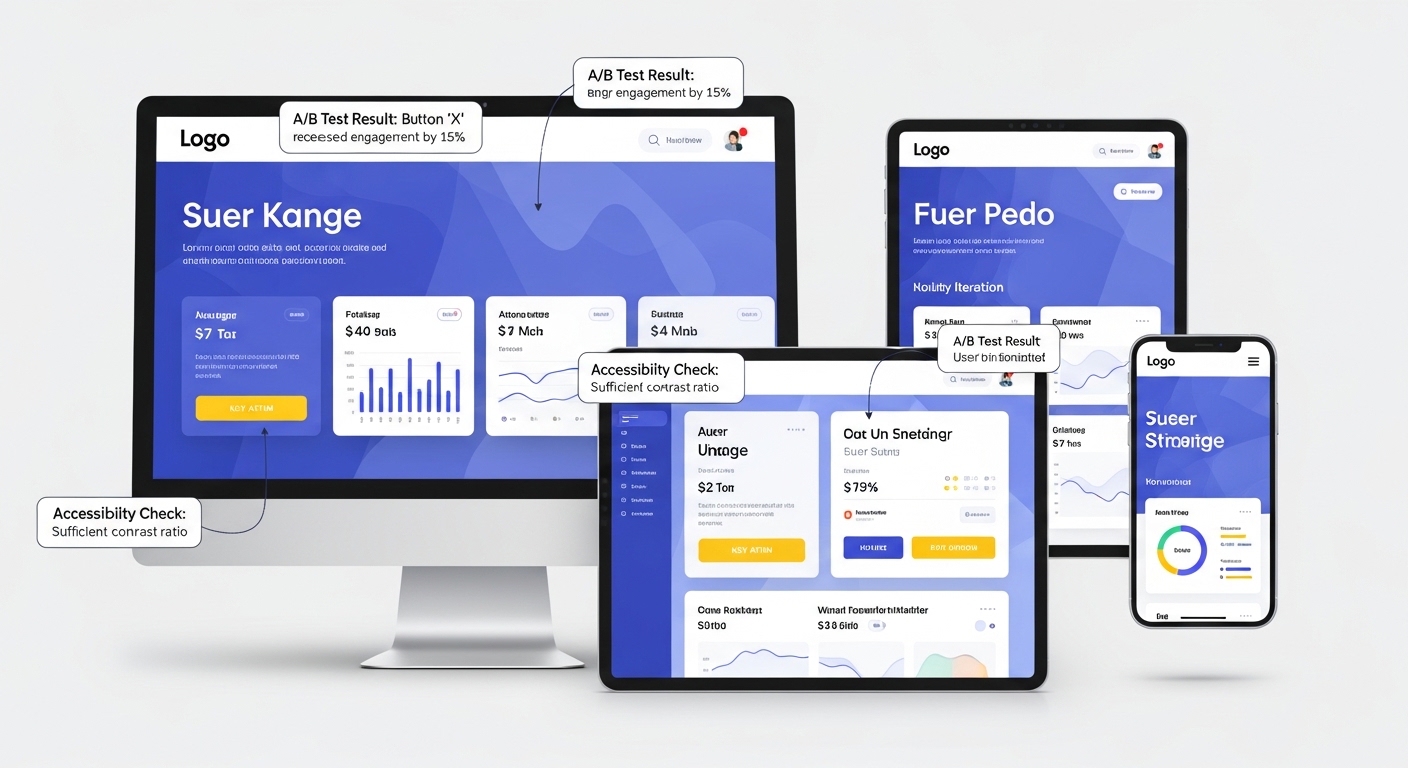
Design today is no longer just about aesthetics; it is a strategic tool that shapes user experience, builds trust, and drives business growth across digital and physical environments. Modern brands rely on design systems that ensure consistency, clarity, and scalability across platforms, allowing teams to collaborate efficiently while maintaining a unified visual language. From typography […]

Design Thinking for Innovation

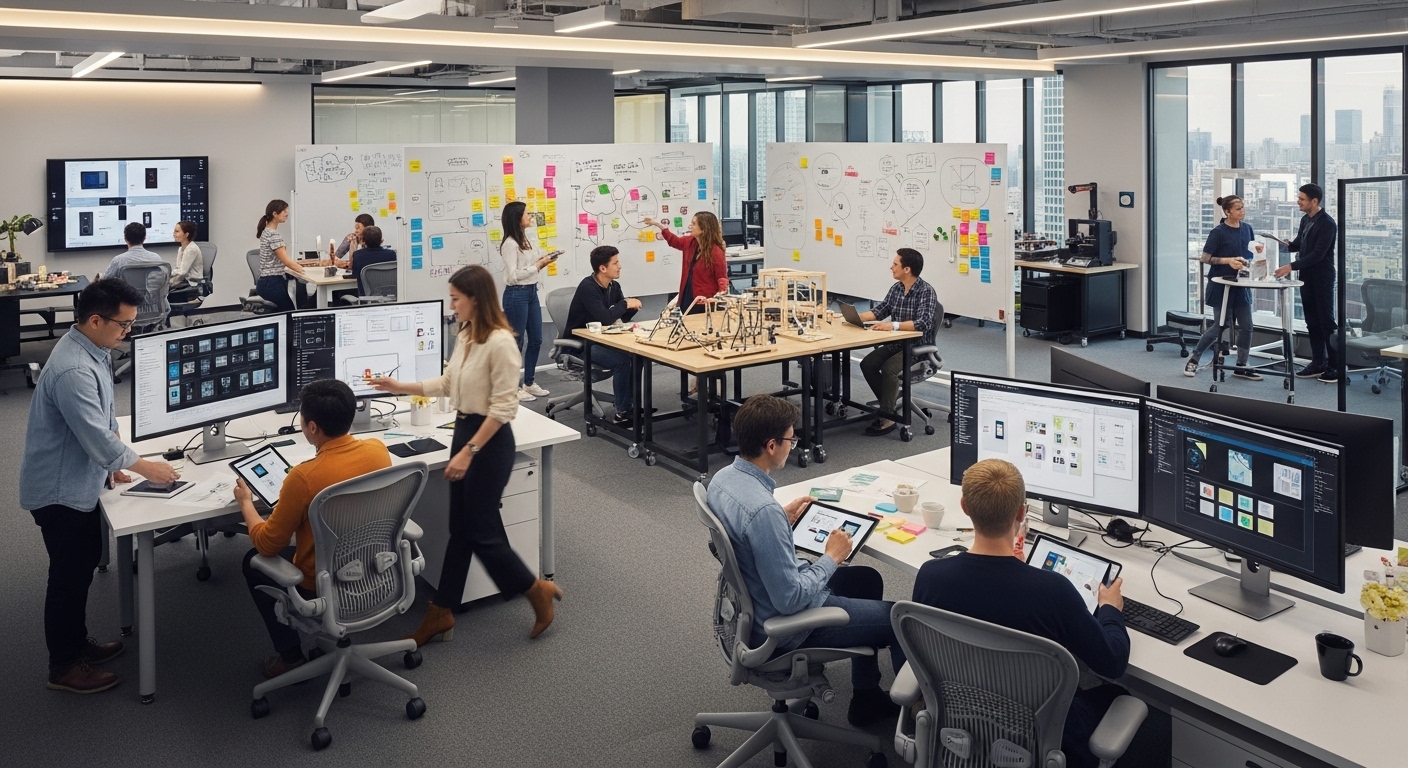
Design thinking is a human-centered methodology that transforms complex challenges into innovative, practical solutions. Rather than beginning with assumptions or technical constraints, it starts with people—their needs, behaviors, motivations, and pain points. By integrating empathy, creativity, and experimentation, design thinking enables teams to build products and experiences that deliver meaningful value. Empathy forms the foundation […]

Visual Design Principles

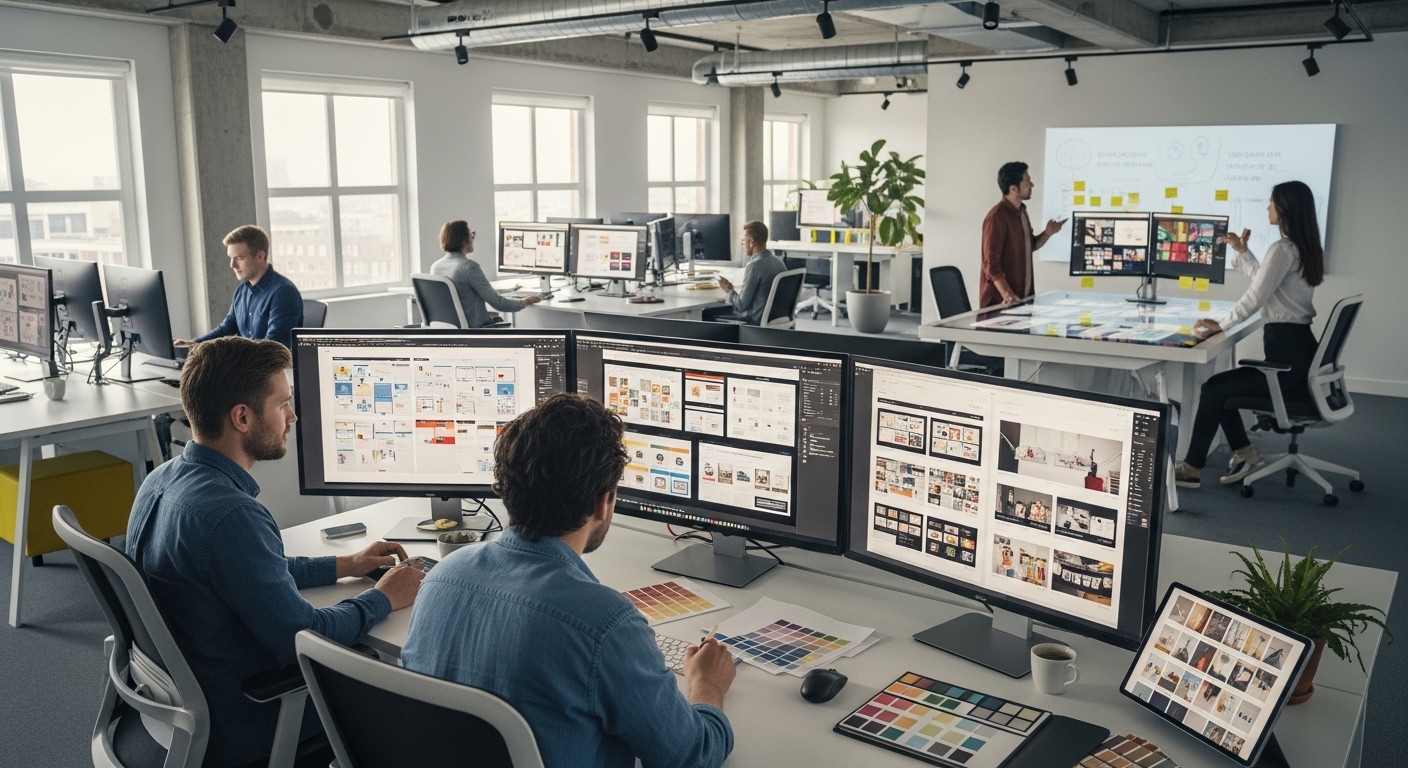
Visual design extends far beyond decoration—it functions as a strategic language that communicates identity, structure, and meaning. Every visual element on a screen or surface contributes to how users interpret information, perceive credibility, and navigate experiences. When executed effectively, visual design guides attention, reinforces hierarchy, and enhances comprehension without requiring conscious effort from the user. […]

User-Centered Design

User-centered design (UCD) is the cornerstone of creating products and interfaces that genuinely connect with people. Rather than prioritizing aesthetics or technical complexity alone, UCD focuses on understanding user needs, motivations, and challenges. By aligning design decisions with real behaviors and expectations, organizations deliver experiences that are intuitive, efficient, and meaningful. The process begins with […]

Design as Performance Architecture: Engineering Control Rooms for Precision and Power

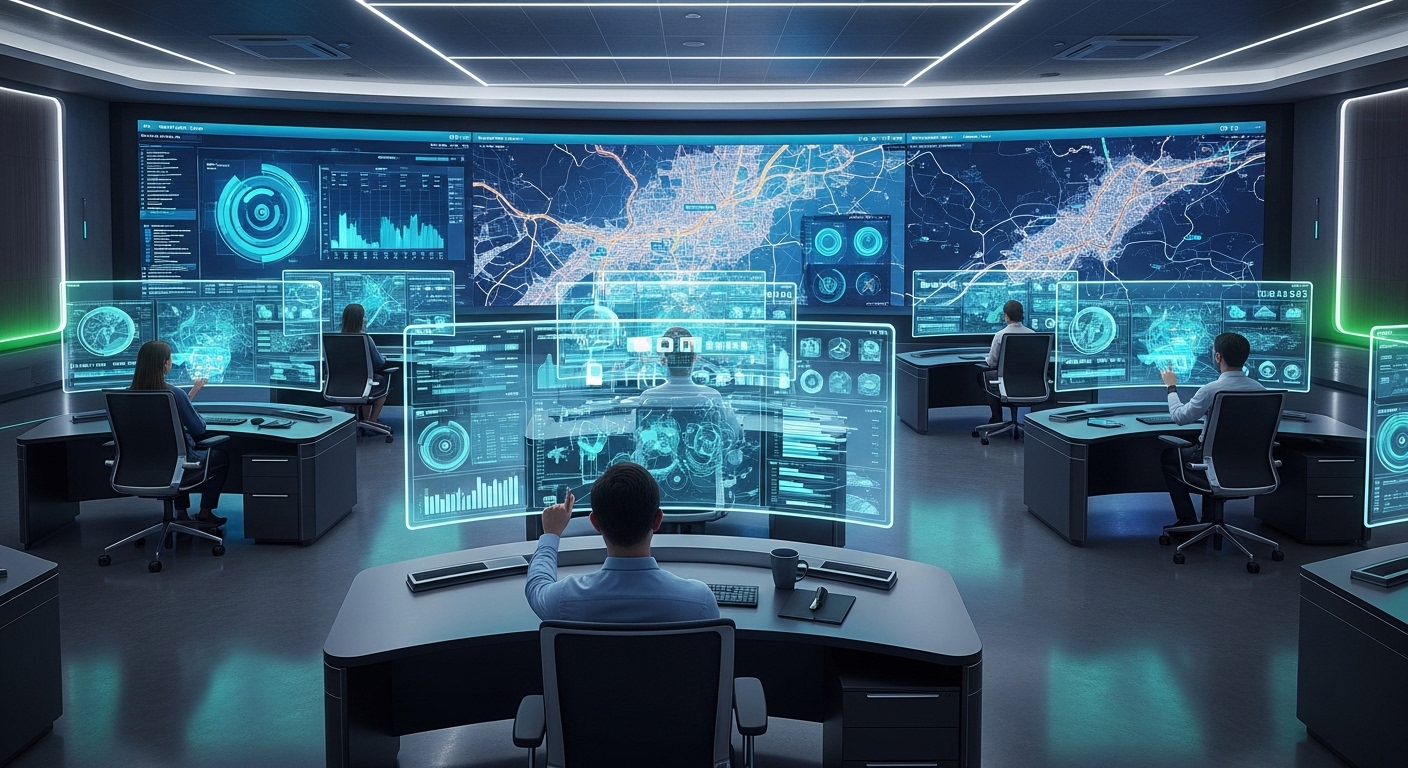
For years, control room design was approached as a matter of layout and equipment placement. Screens were mounted, consoles were arranged, and technology was installed with the assumption that functionality alone would guarantee performance. If the systems worked, the design was considered successful. But as operational environments became more complex and mission-critical stakes increased, that […]

Design as a Cognitive Responsibility

For many years, design in control rooms was treated as a surface-level concern. Clean layouts, modern colors, and visually impressive screens were considered sufficient. As long as the room looked organized, it was assumed to function well. The cognitive experience of the operator was rarely the primary focus. That assumption has changed. Today, design is […]

Human-Centered Control Room Design

There was a time when control rooms were designed around machines. Rows of screens, blinking lights, and endless alerts defined the environment. Operators were expected to adapt to the system, not the other way around. The space was functional, mechanical, and largely overwhelming. But over the past decade, something subtle yet transformative shifted — not […]

How Do You Design an Effective Control Room Layout?

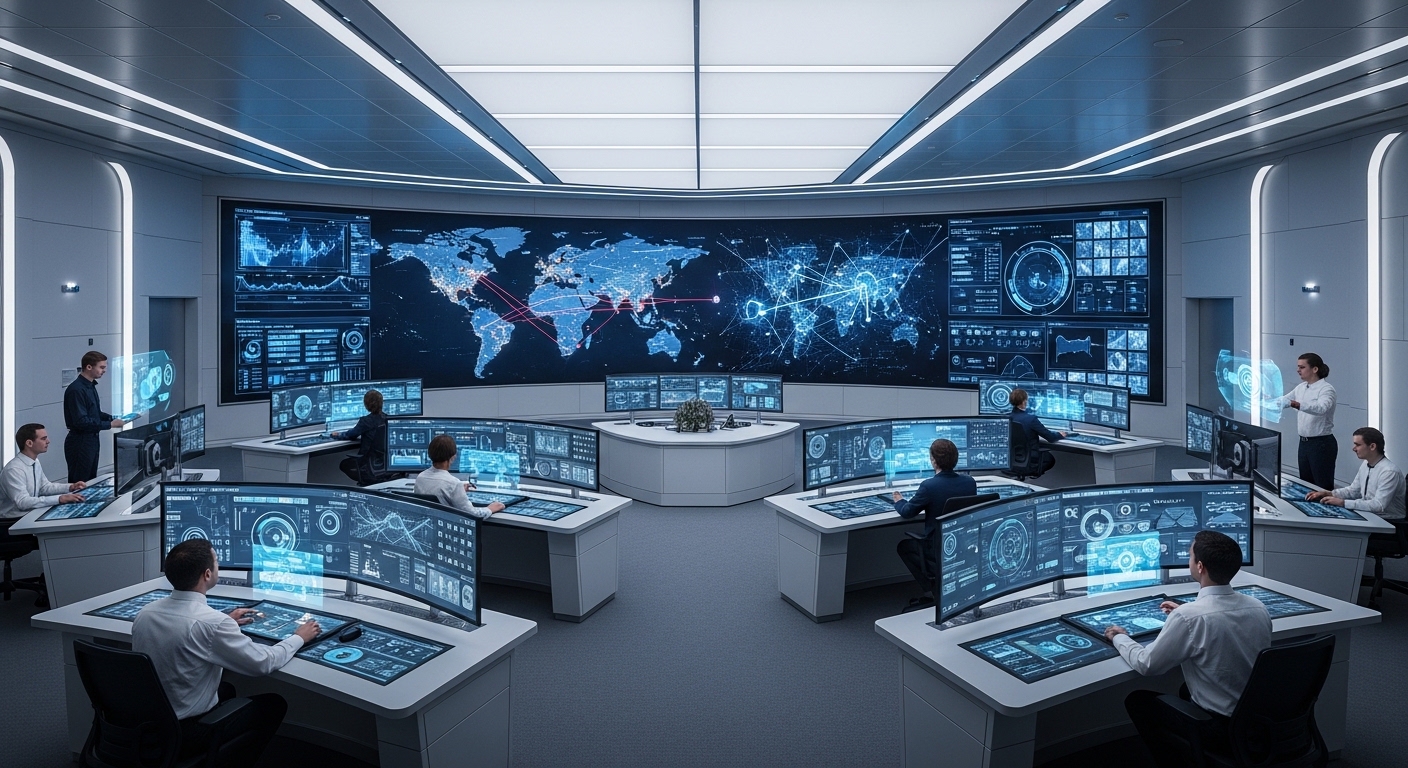
Introduction A control room is more than a space full of screens—it’s the nerve center of critical operations. Whether it’s managing energy grids, transportation networks, or security systems, the layout of a control room can dramatically impact performance, response time, and operator well-being. Designing one effectively isn’t just about placing furniture; it’s about creating an […]

Boost Performance with Ergonomic Design

In a world governed by 24-hour operations and real-time decisions, control room operators are the hidden heroes behind complex systems, from power plants and traffic networks to security networks and emergency response centers.   Let’s explain in detail how ergonomic design improves operator performance: Adjustable Furniture = Focus and Comfort Ergonomic chairs with lumbar support, […]