Ergonomic Excellence

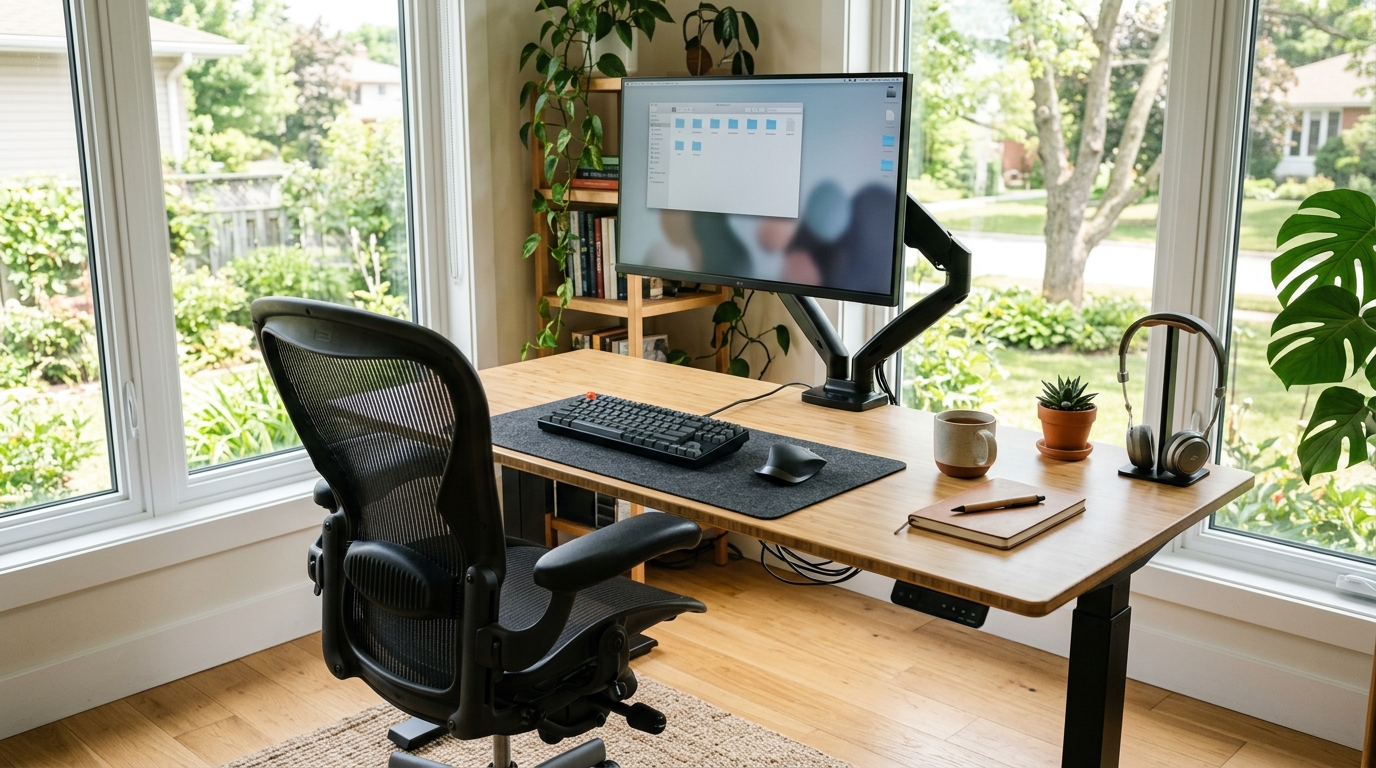
Ergonomic excellence has become a critical priority for modern workplaces seeking to enhance productivity, reduce physical strain, and create healthier environments for employees. As organizations recognize the impact of ergonomics on performance and well‑being, they are investing in smarter workspaces that support natural movement, proper posture, and long‑term comfort. Ergonomics is no longer limited to […]

Human-Centric Systems

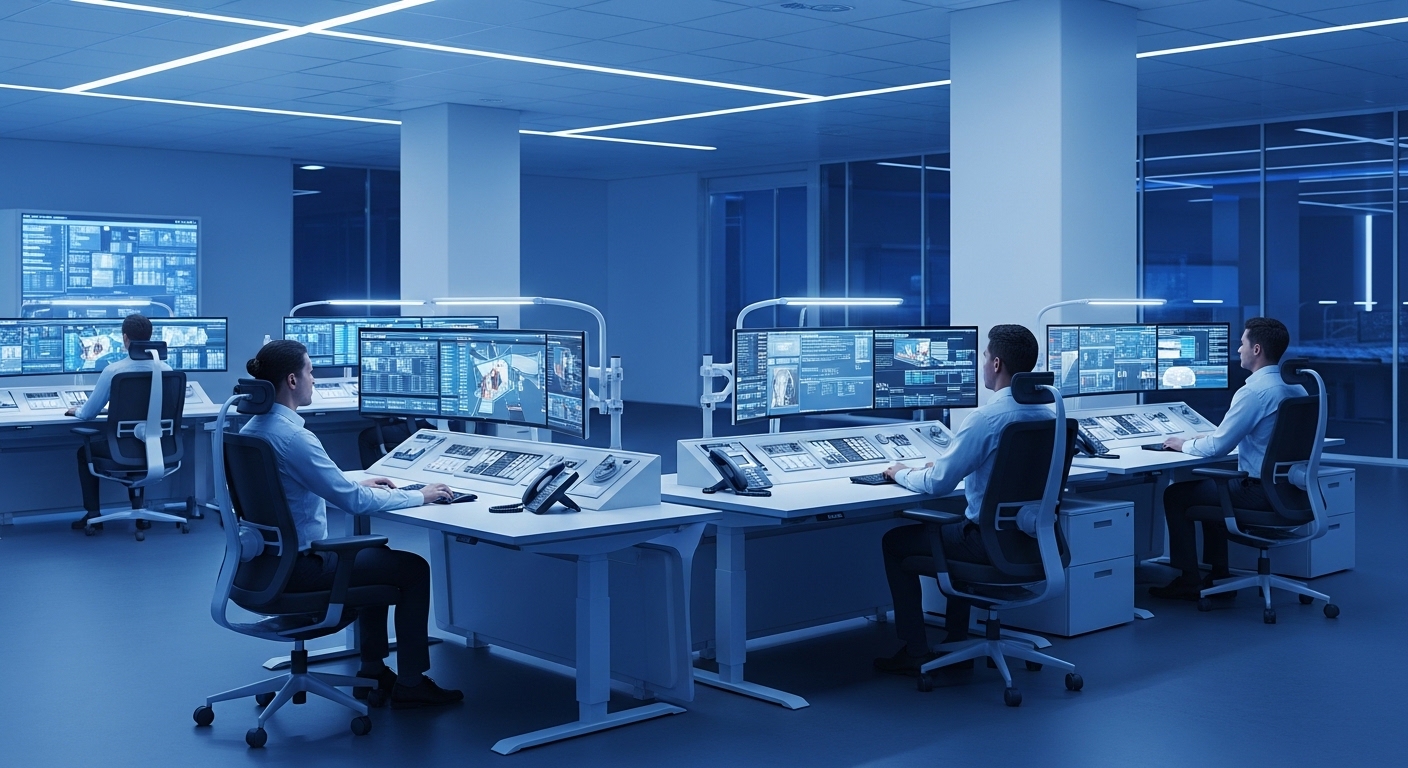
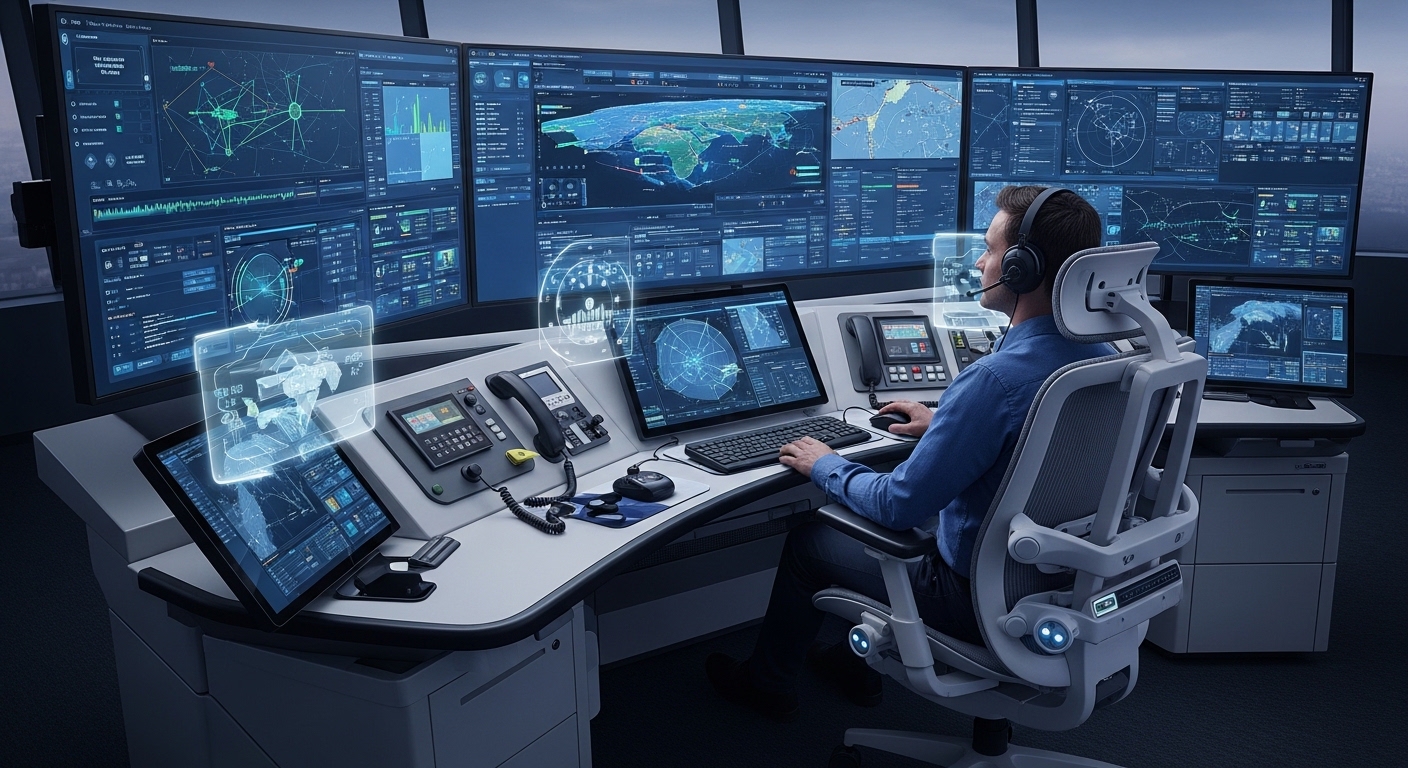
Control Room Tech develops human-centric ergonomic systems designed to improve comfort, safety, and operational efficiency within modern control room environments. In high-pressure monitoring centers, where operators work long shifts handling critical data, ergonomics becomes essential for maintaining focus and reducing physical and mental fatigue. Control Room Tech focuses on creating intelligently designed workspaces that adapt […]

Ergonomic Control Design

Control Room Tech delivers advanced ergonomic design solutions that enhance operator comfort, efficiency, and performance in modern control room environments. Ergonomics plays a critical role in ensuring that control room operators can work long hours with minimal fatigue while maintaining high levels of accuracy and situational awareness. Control Room Tech focuses on designing workspaces that […]

Human-Centered Ergonomic Design

Ergonomics plays a vital role in shaping how people interact with tools, systems, and environments across various industries, ensuring that comfort, efficiency, and safety are prioritized in both physical and digital spaces. In modern workplaces, ergonomic principles guide the design of furniture, equipment, and workflows to minimize strain and maximize productivity. Adjustable chairs, standing desks, […]

Ergonomic Workspaces Matter

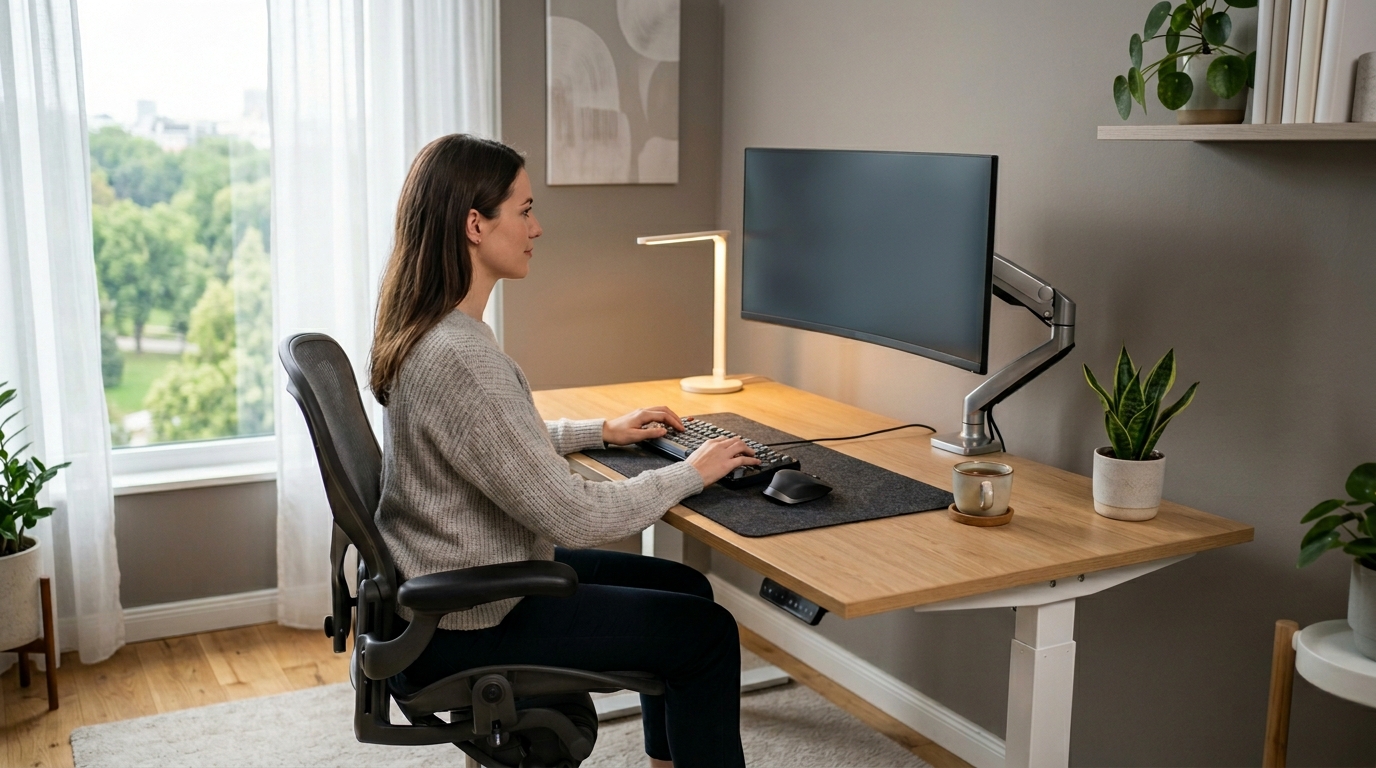
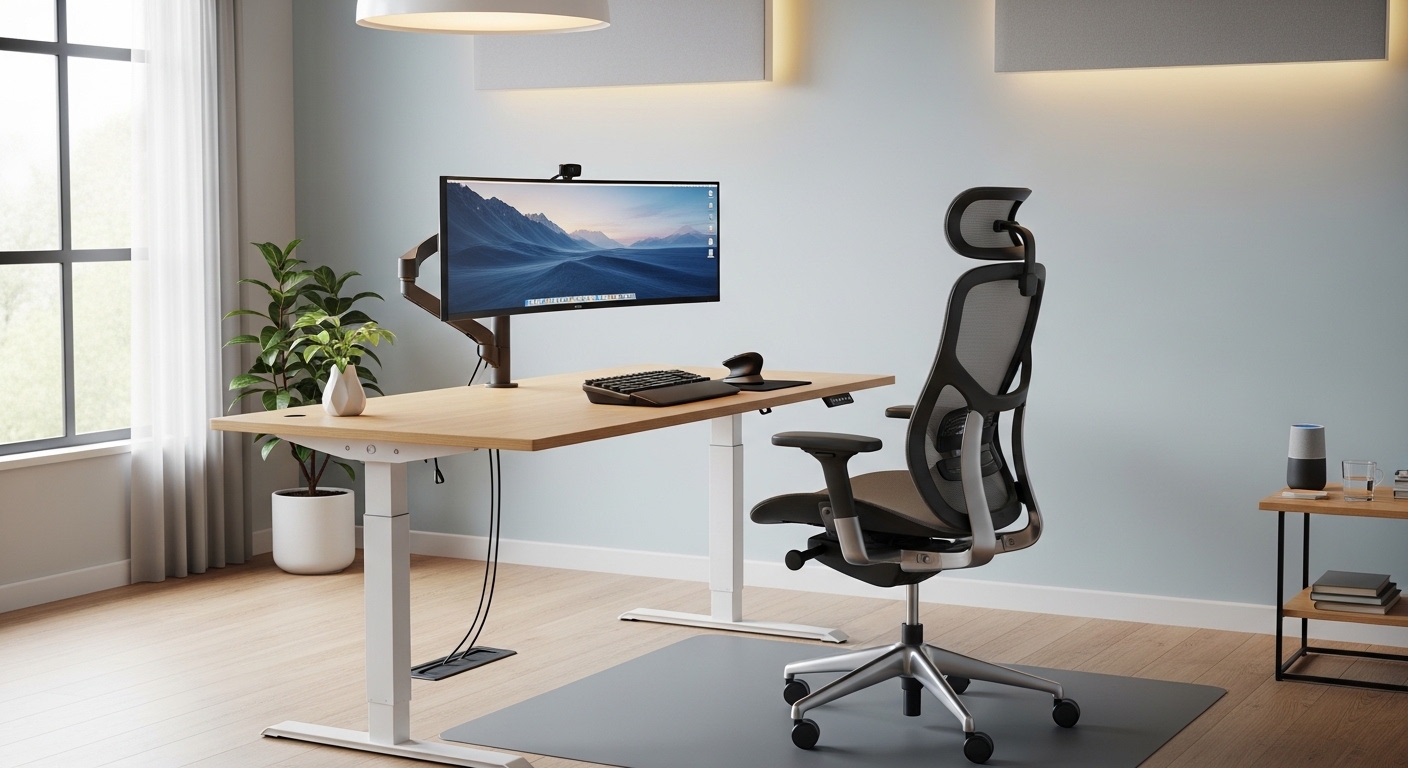
Ergonomics focuses on designing environments, tools, and workflows that fit human capabilities rather than forcing people to adapt to poorly designed systems. In workplaces, good ergonomics reduces physical strain, prevents injuries, and enhances productivity by aligning tasks with natural body movements and cognitive processes. Proper workstation setup includes adjustable chairs, monitor height at eye level, […]

Human-Centered Ergonomic Design

Human-centered ergonomic design applies scientific knowledge of anatomy, biomechanics, and behavioral patterns to the creation of products and work environments. Instead of requiring individuals to adjust to poorly designed tools or spaces, ergonomics ensures that systems adapt to human capabilities and limitations. This philosophy enhances comfort, safety, and long-term performance. In industrial environments, ergonomic principles […]

Workplace Ergonomics

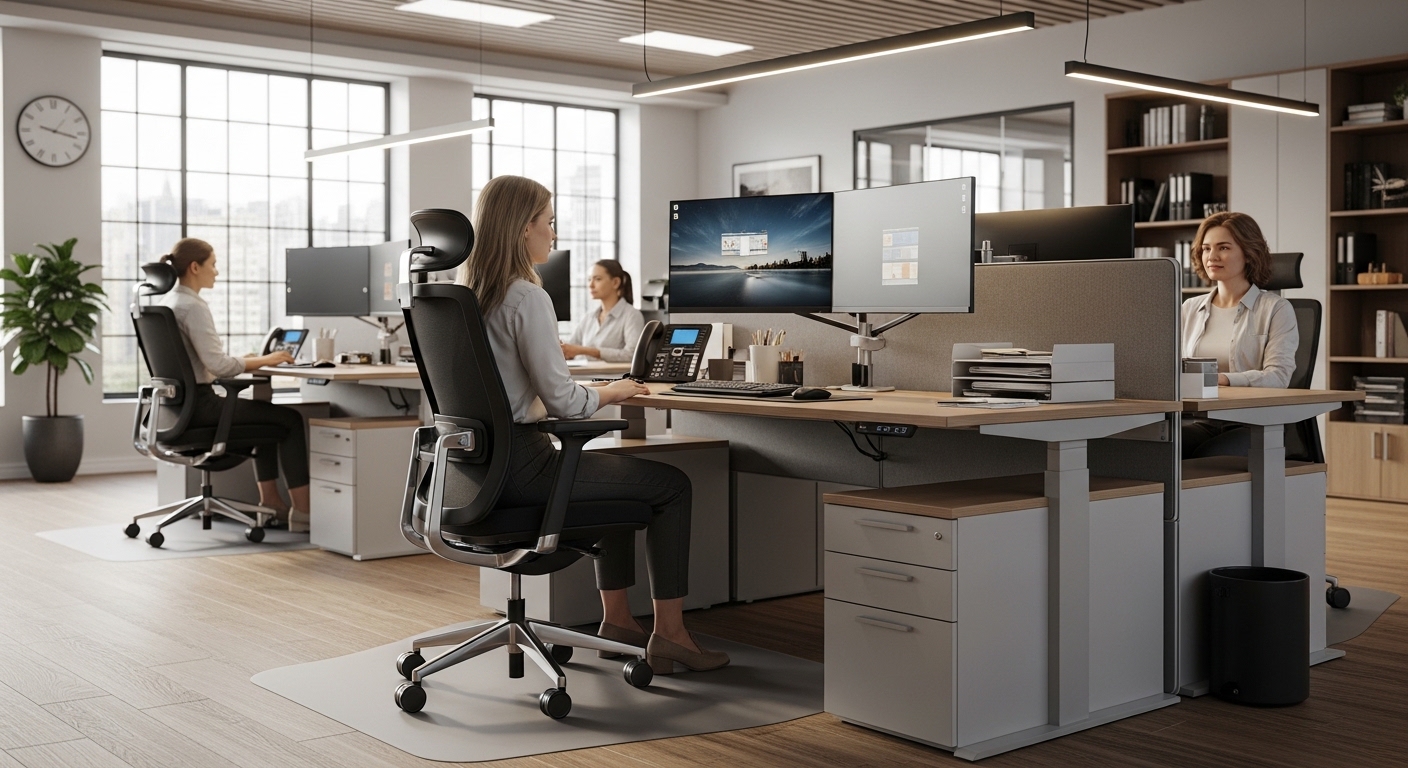
Workplace ergonomics centers on designing environments that promote comfort, efficiency, and long-term well-being. In modern professional settings, where individuals often spend extended hours seated at desks, poorly arranged workstations can contribute to musculoskeletal disorders, chronic fatigue, and decreased productivity. A thoughtfully designed workspace minimizes physical strain while supporting sustained performance. An ergonomic setup begins with […]

Ergonomics as Performance Engineering: Designing Environments That Think with the Human Body

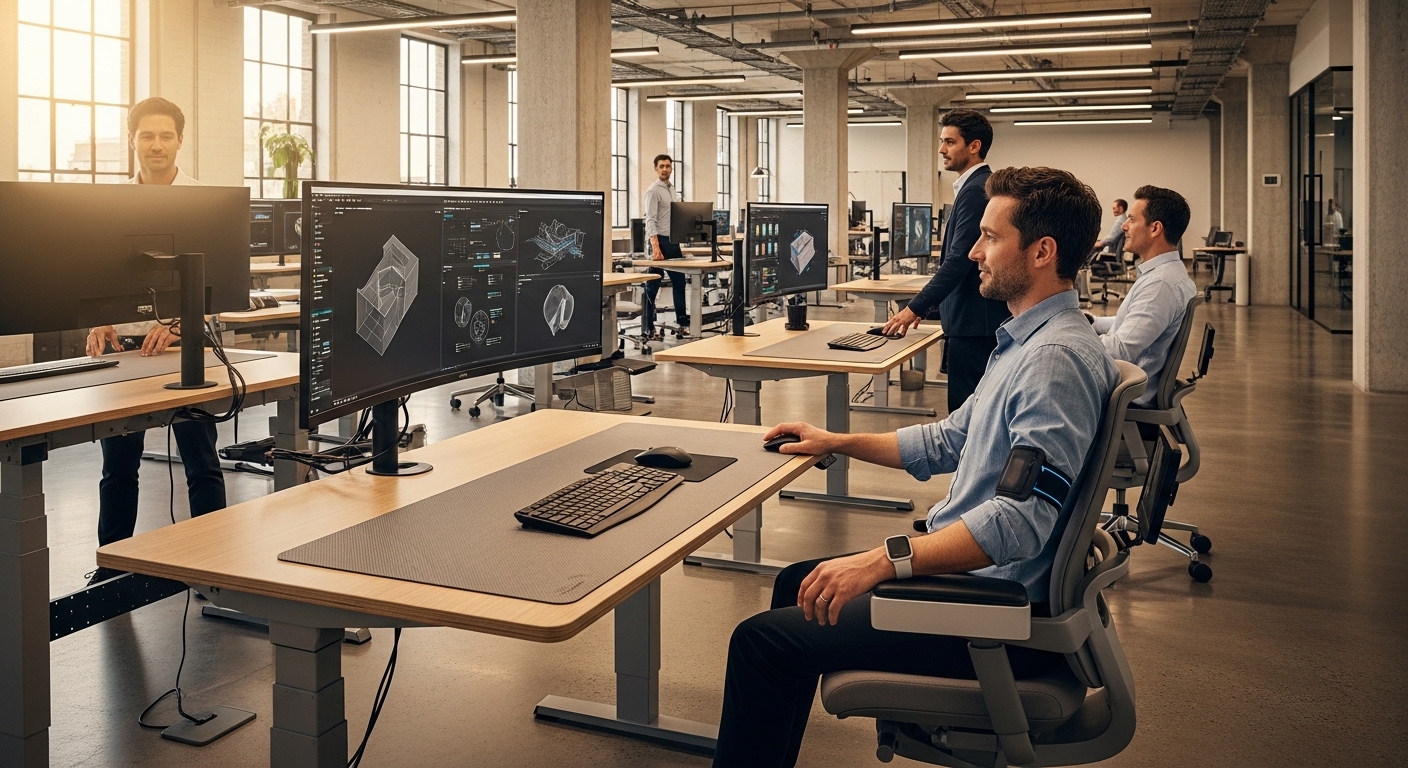
Ergonomics is often reduced to comfort. Adjustable chairs. Proper desk height. Monitor positioning. Yet in high-performance work environments, ergonomics is far more than physical ease — it is performance engineering. It is the science of aligning human capability with environmental design to enhance focus, reduce cognitive load, and sustain productivity under pressure. Modern workspaces are […]

Sustaining Human Performance Over Time

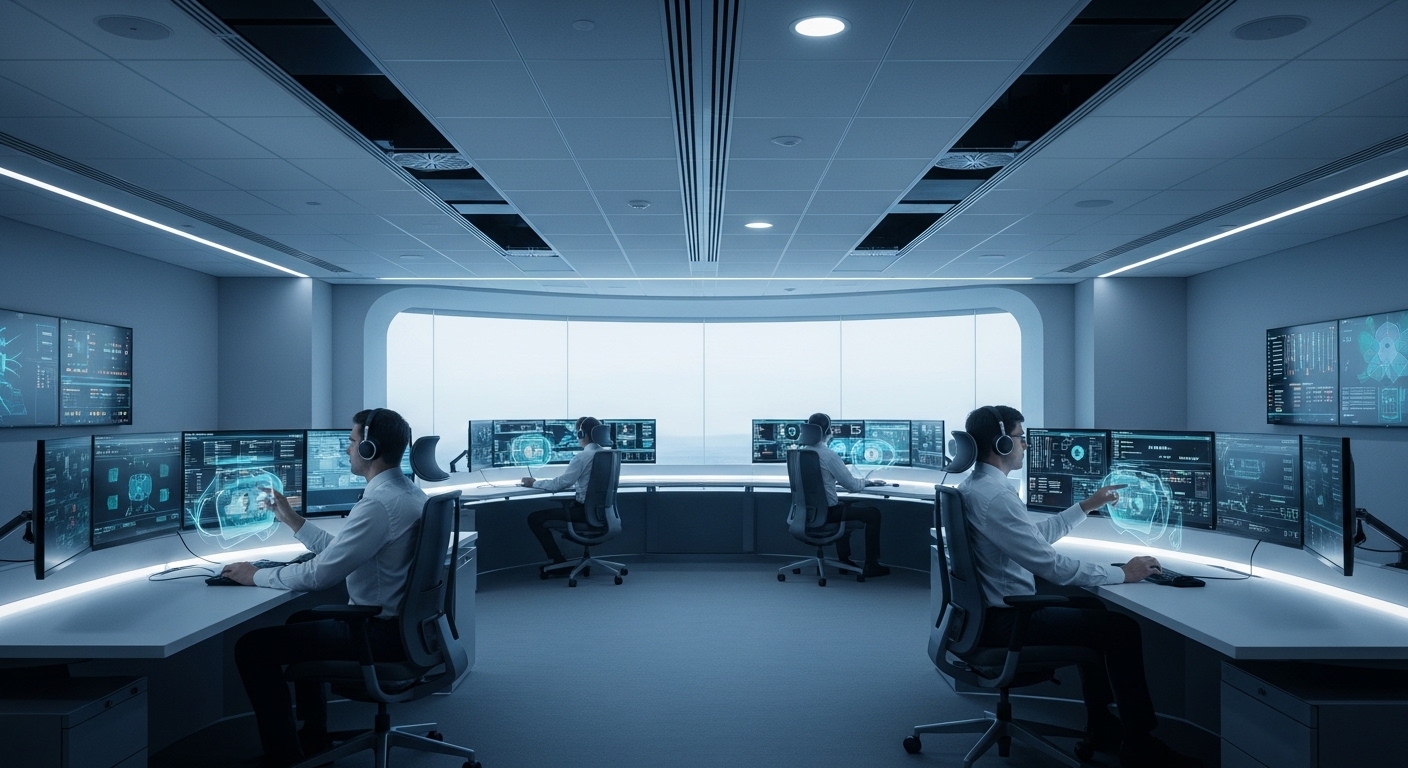
Ergonomics in control rooms was long reduced to a matter of furniture. Chairs, desks, and monitor placement were treated as secondary considerations — important for comfort, but separate from operational performance. As long as operators could sit and see the screens, ergonomics was considered sufficient. In reality, physical strain quietly undermines performance. Discomfort accumulates gradually. […]

The Future of Control Room Design: Trends and Innovations in Ergonomics and Technology

As the demands on control rooms evolve, so do their designs. The integration of advanced technology, ergonomic principles, and innovative layouts is reshaping how control rooms operate, enhancing both operator comfort and performance. This blog delves into the latest trends and innovations in control room design, highlighting modular setups, ergonomic consoles, and the incorporation of […]