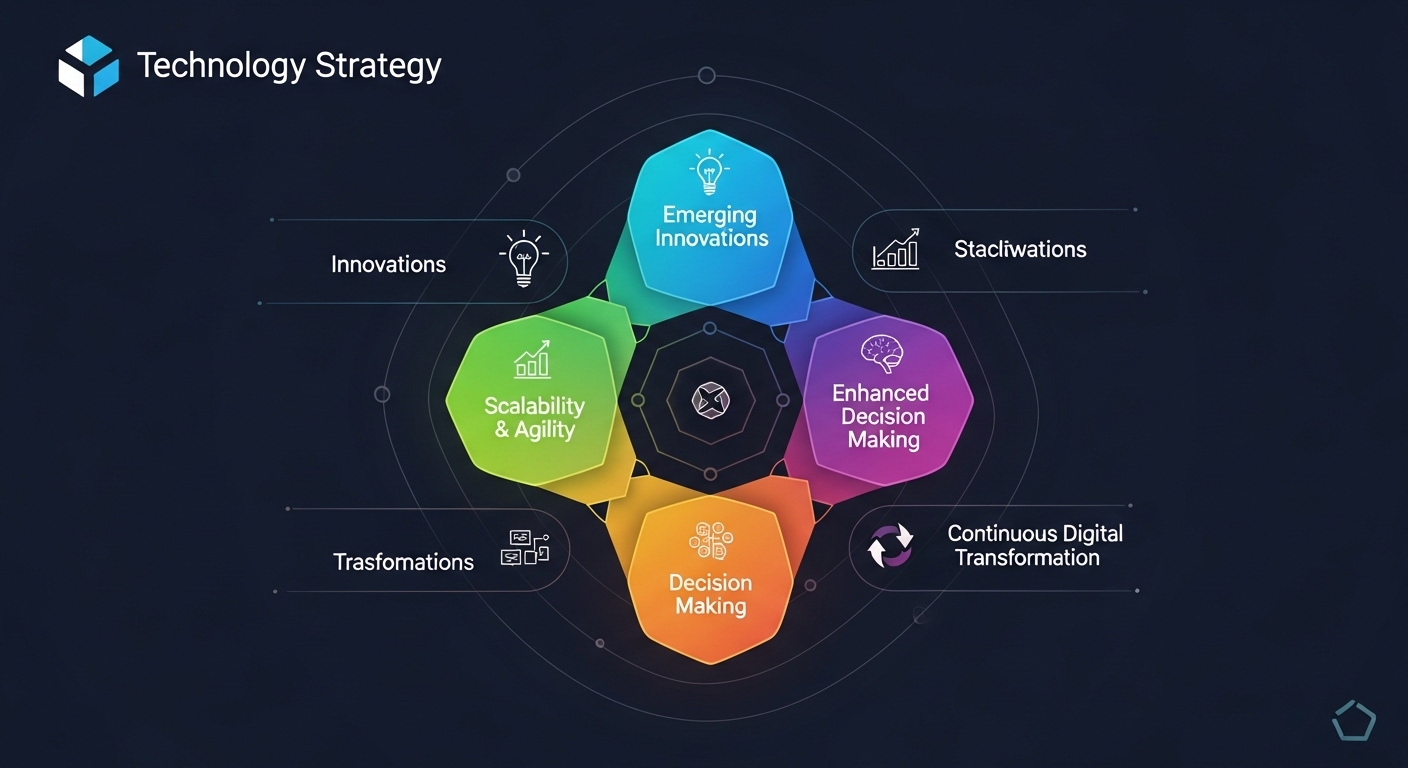
Technology Evolution Shift

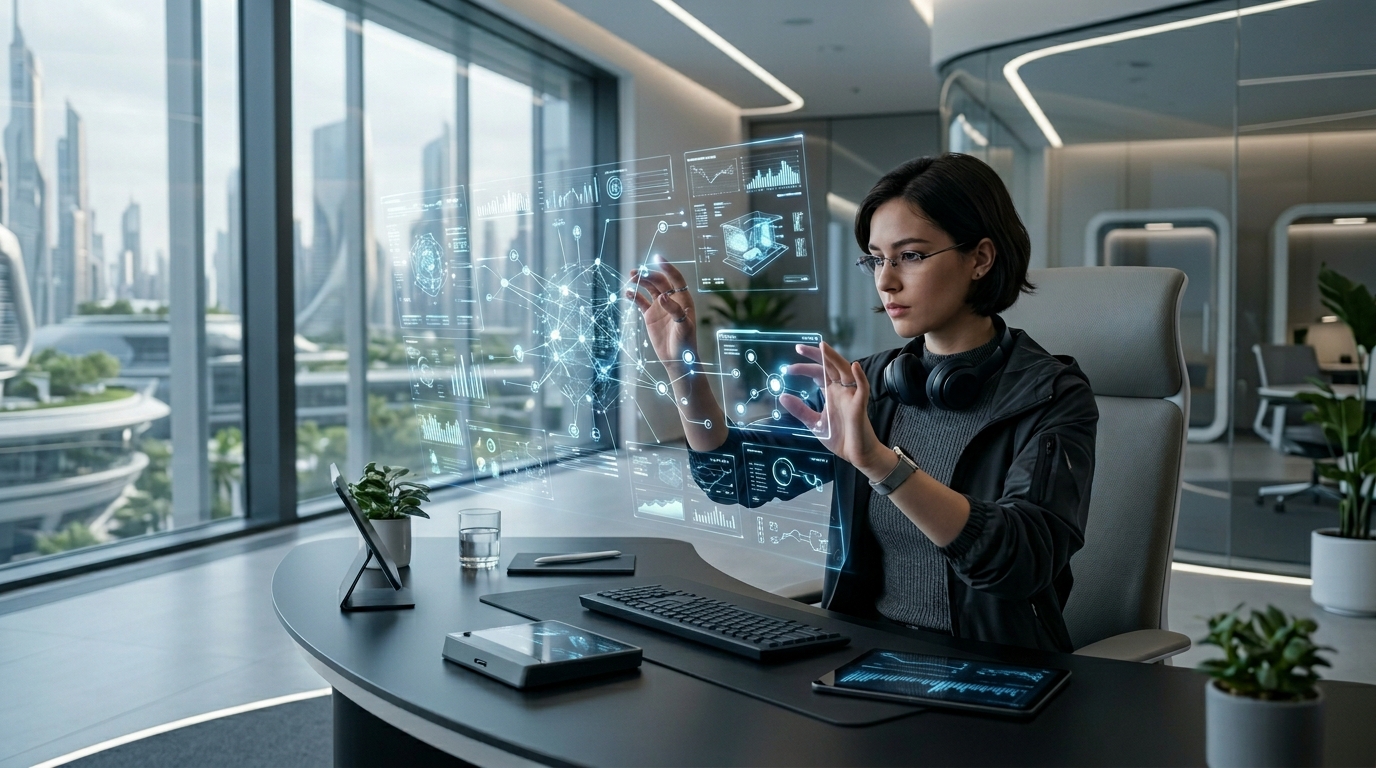
Technological evolution continues to reshape industries, redefining how businesses operate, communicate, and deliver value in an increasingly digital world. Organizations must continuously adapt to emerging technologies to remain competitive and relevant in fast changing markets. Innovations such as artificial intelligence, cloud computing, and the Internet of Things are transforming traditional processes into more efficient, automated, […]

From Automation to Intelligence

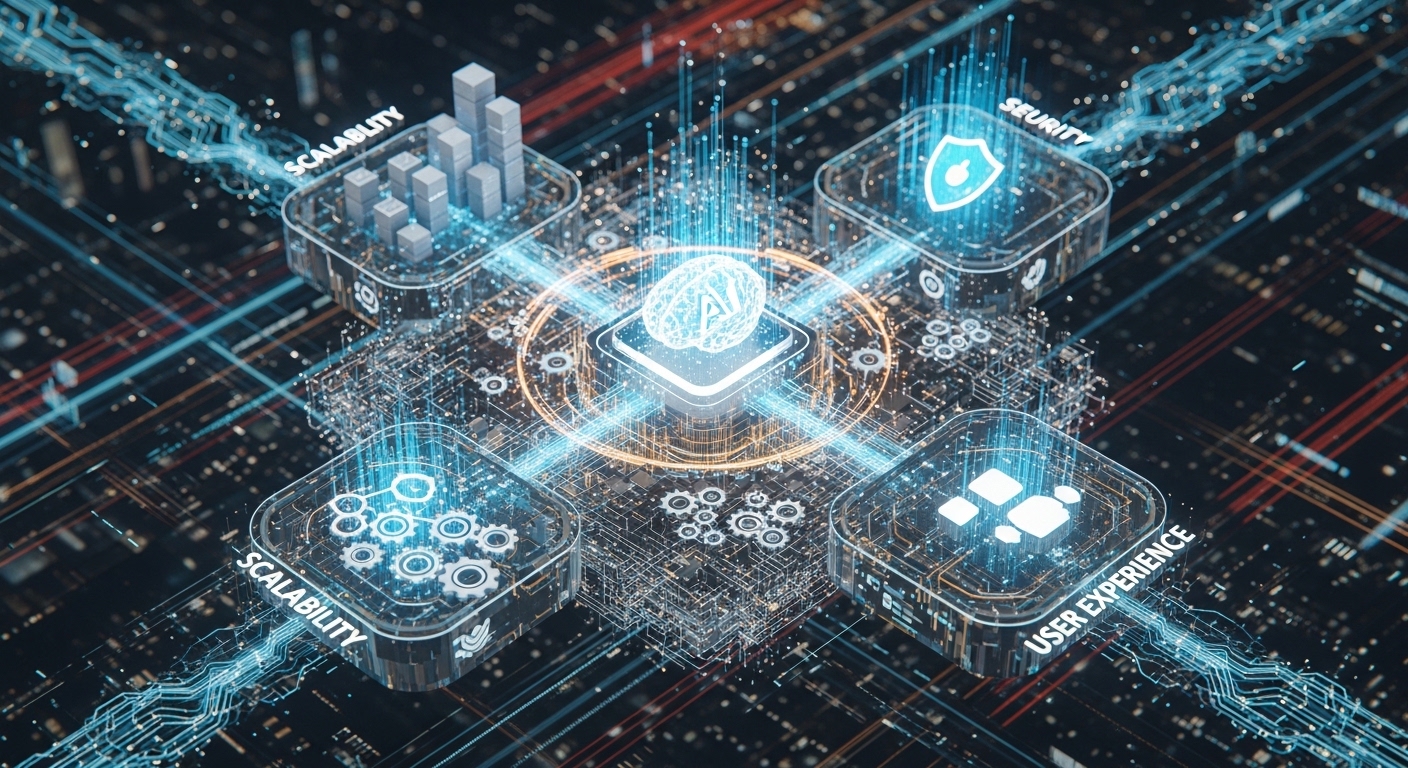
Technological evolution has moved far beyond mere automation, entering an era of intelligent, adaptive systems. Whereas early advancements emphasized mechanizing repetitive tasks to boost efficiency, modern technology focuses on creating systems that can learn, predict, and optimize autonomously. Artificial intelligence (AI) and machine learning (ML) form the foundation of this transformation. Unlike traditional software that […]

The Acceleration of Innovation

Technological evolution today is not linear—it is exponential, fundamentally transforming industries, economies, and human behavior. Innovations that once took decades to mature now emerge within years or even months, propelled by global connectivity, high-performance computing, and continuous digital transformation. At the heart of this acceleration is computational advancement. Powerful processors, cloud infrastructures, and distributed networks […]

Technological Evolution: Engineering the Future Through Continuous Innovation

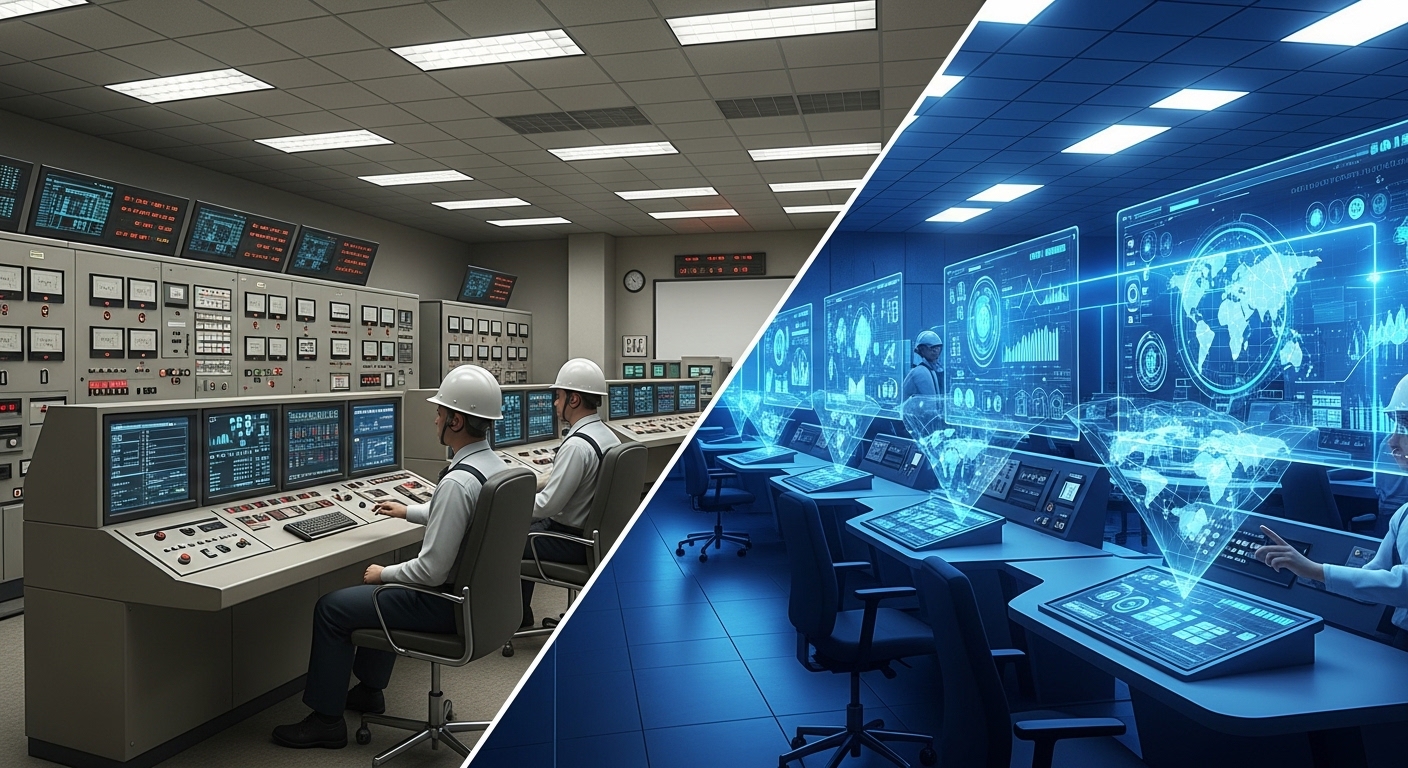
Technology does not evolve by accident. It advances through structured iteration, strategic foresight, and disciplined adaptation. Technological evolution is not defined by isolated breakthroughs, but by the consistent refinement of systems that reshape how industries operate and how societies function. Every era is marked by a shift in capability. From mechanical automation to digital infrastructure, […]

How Control Rooms Support Environmental Monitoring and Sustainability Efforts in the UAE

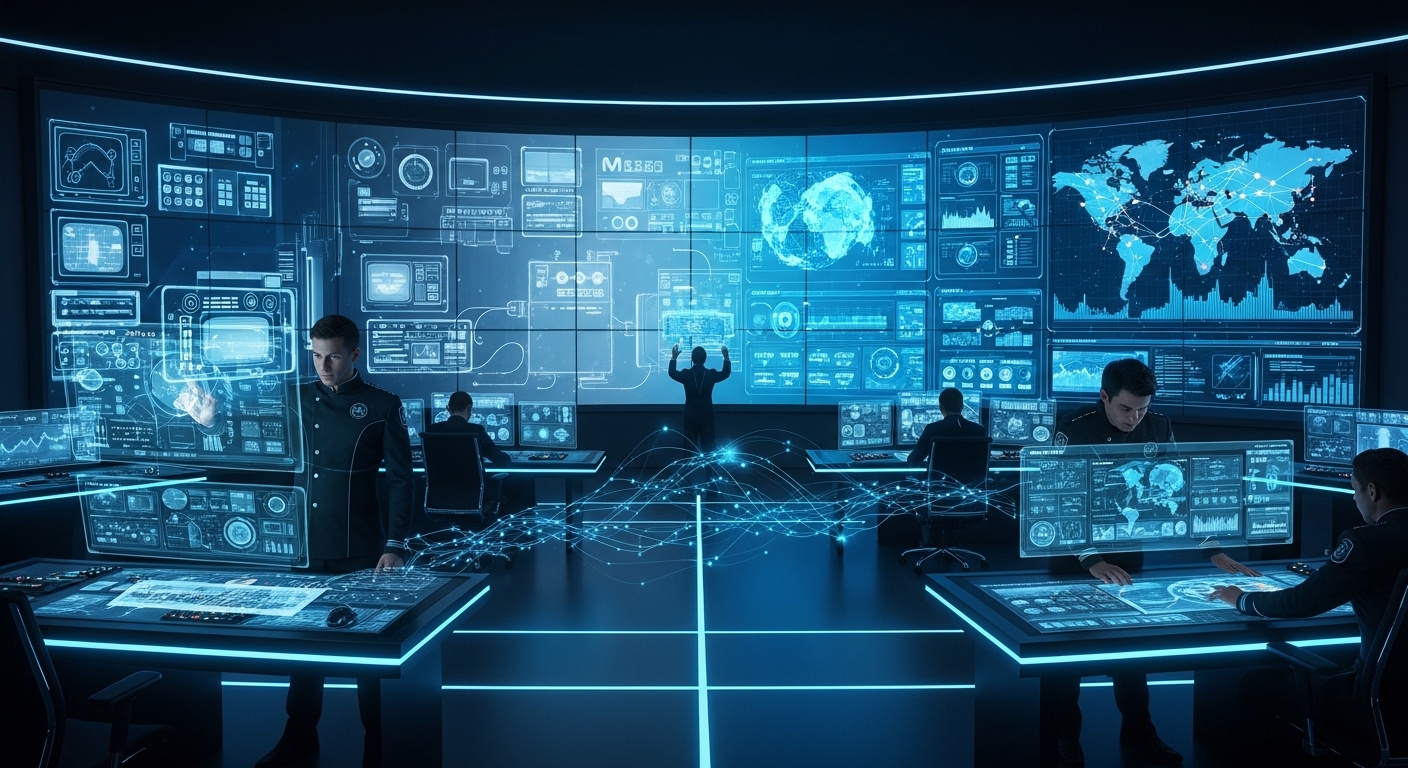
As the UAE continues its ambitious journey towards sustainability, the role of control rooms has become increasingly pivotal. These centralized operations are not just for managing critical infrastructure; they are essential in monitoring environmental factors that influence the country’s sustainability goals. This blog explores how control rooms contribute to environmental monitoring, focusing on air quality, […]