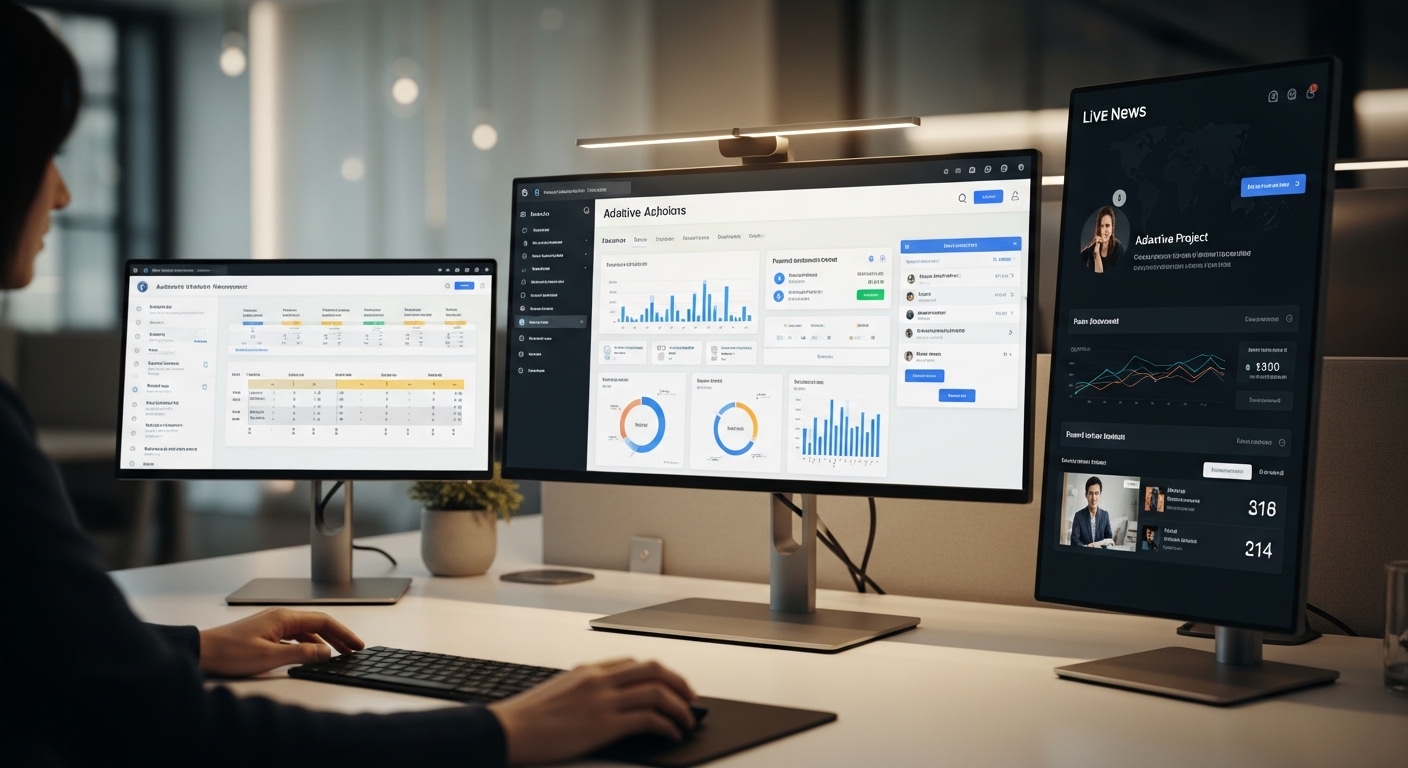
Smart Application Systems

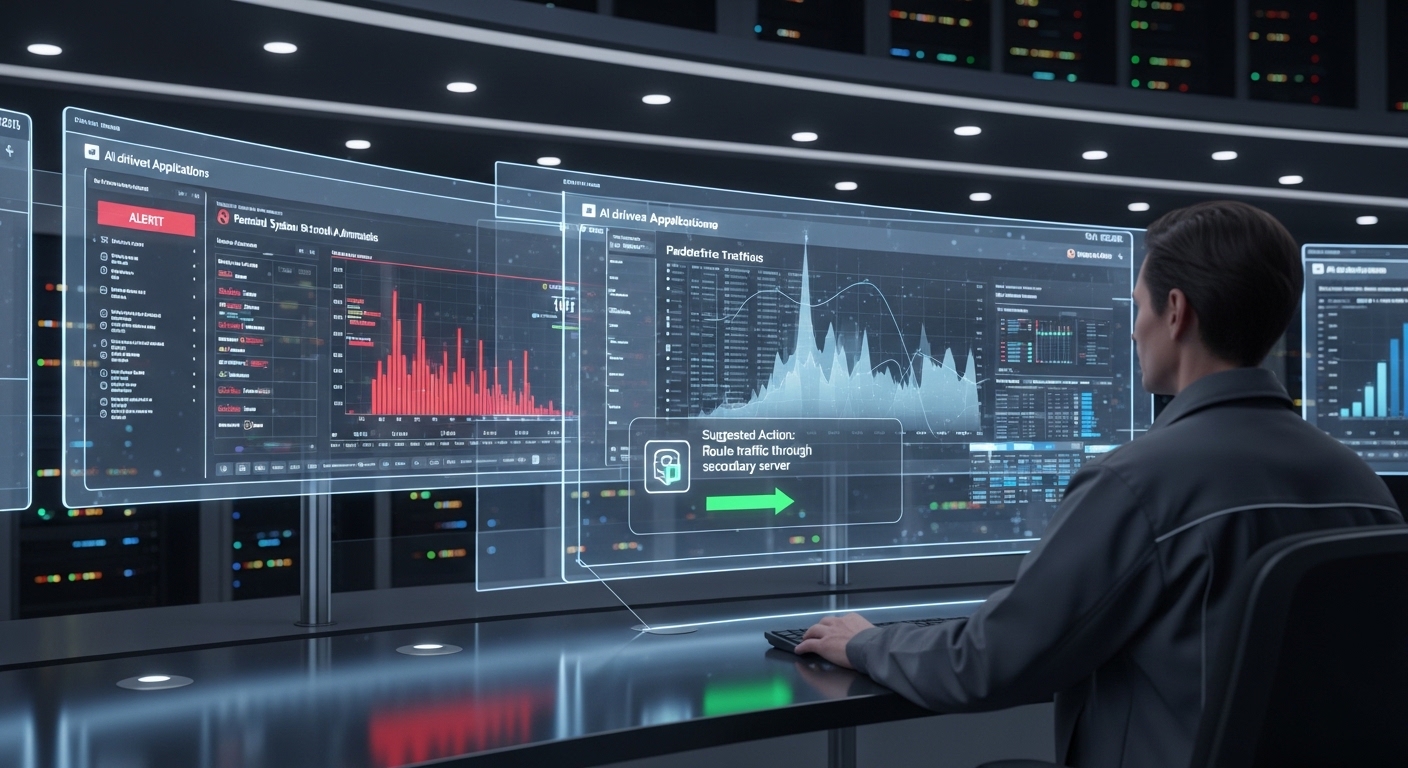
Smart application systems have become a central driver of digital transformation, enabling organizations and individuals to operate with greater efficiency, accuracy, and adaptability. As mobile devices and cloud platforms continue to evolve, applications are no longer simple tools; they have become intelligent ecosystems capable of learning, predicting, and optimizing user experiences. These systems rely on […]

Integrated App Systems

Control Room Tech develops integrated application systems that unify complex operations into a single, intelligent control environment. These applications are designed to streamline workflows, enhance coordination, and provide real-time access to critical data across multiple platforms. By centralizing operations, organizations can eliminate inefficiencies and ensure faster, more accurate decision-making in high-pressure environments such as security, […]

Smart Control Applications

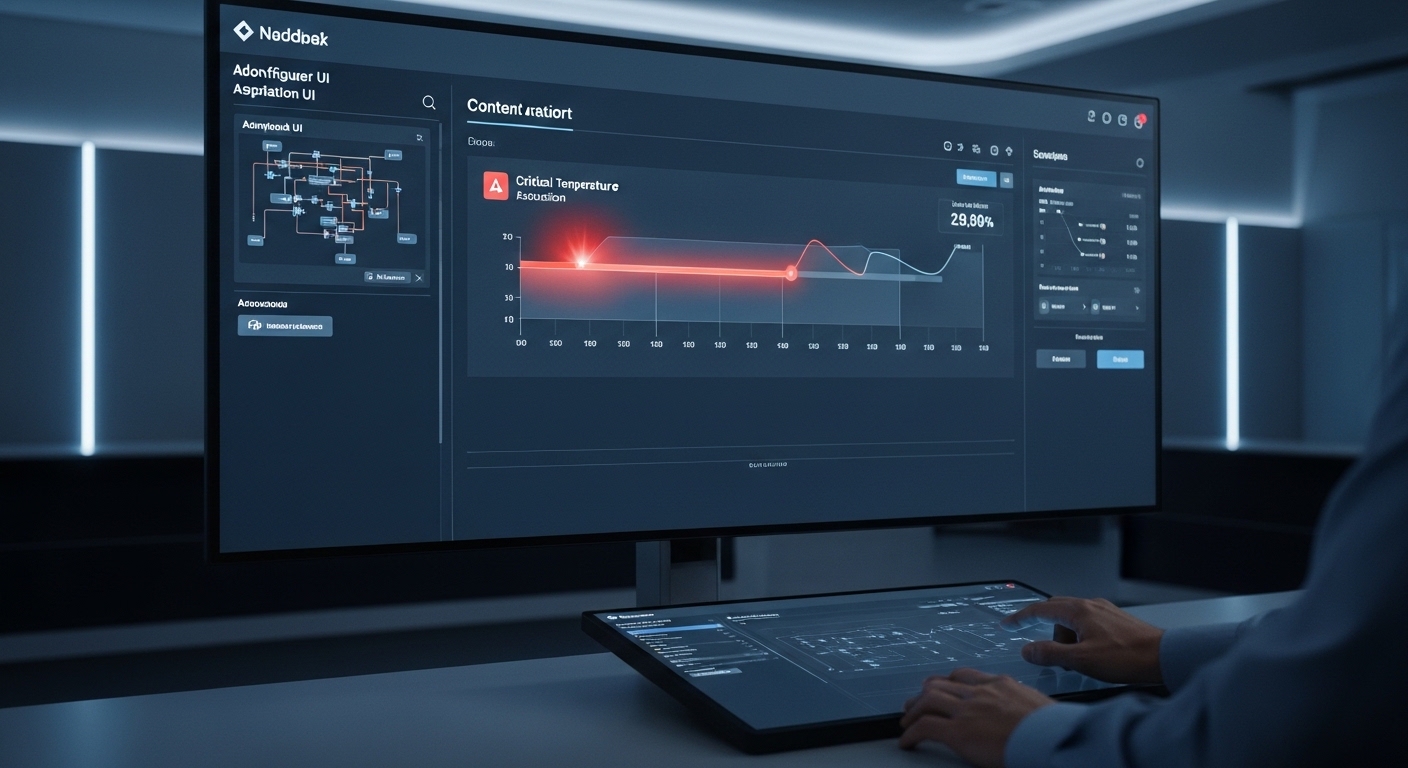
Control Room Tech delivers advanced application solutions designed to transform modern control room operations into highly efficient, data-driven environments. These applications enable organizations to achieve real-time monitoring, seamless communication, and centralized command capabilities across critical infrastructure sectors. By integrating intelligent software systems, Control Room Tech enhances decision-making speed and improves operational efficiency in complex environments […]

Adaptive Application Intelligence

Applications are evolving beyond static tools into adaptive systems that respond intelligently to changing conditions. In complex operational environments, this evolution is not a luxury—it is a necessity. Adaptive application intelligence enables systems to anticipate needs, adjust interfaces, and enhance decision-making in real time. Traditional applications required constant manual interaction. Users had to search for […]

Context-Driven Applications

There was a time when applications in operational environments were built to display as much data as possible. The assumption was simple: more information meant better decisions. Over time, this approach revealed its limitations, especially in high-pressure environments where clarity, not quantity, determines performance. Modern applications are now designed with context at their core. Instead […]

Intelligent Applications for Decision Support

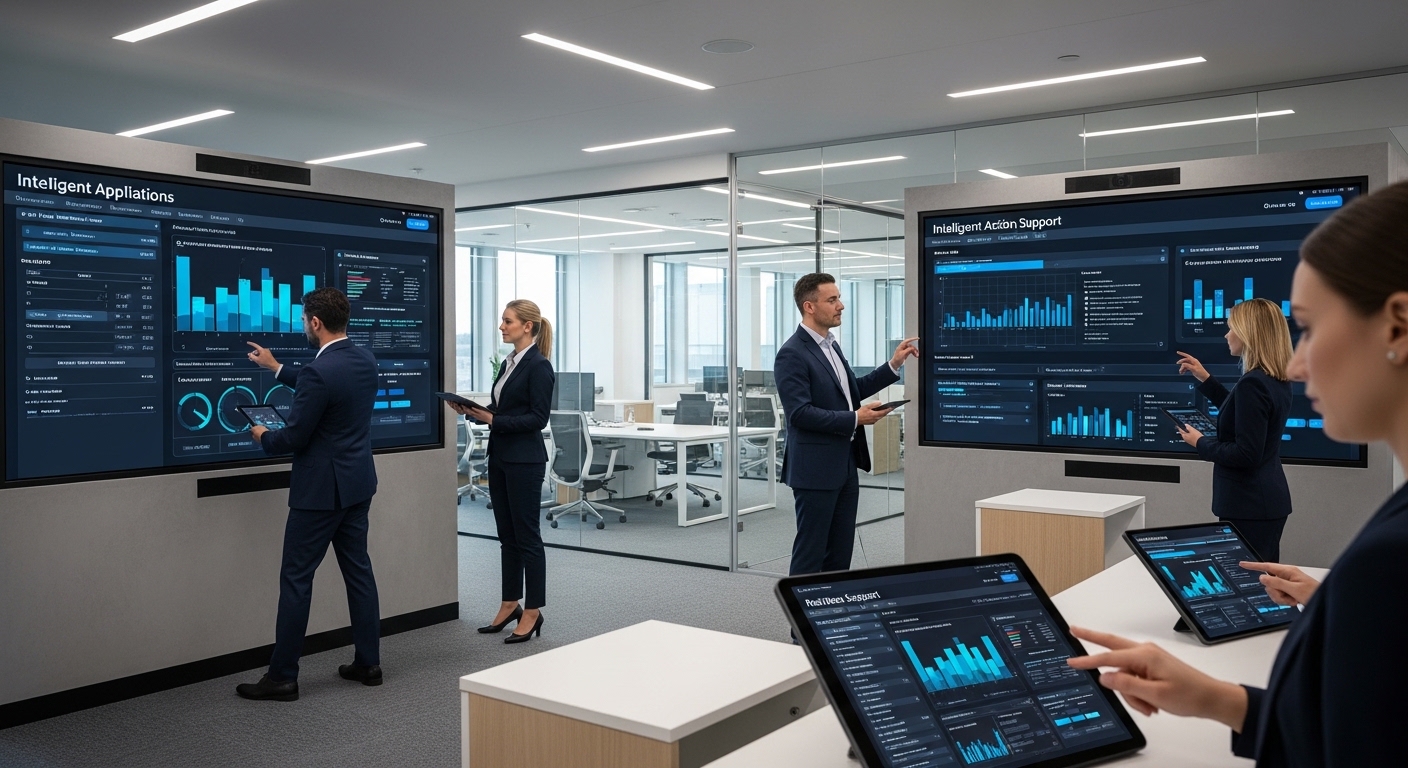
Intelligent applications are transforming how modern enterprises make decisions. By integrating advanced analytics, machine learning algorithms, automation, and real-time data visualization, these systems function as cognitive partners rather than passive software tools. Instead of simply presenting data, they interpret patterns, detect anomalies, and recommend actions aligned with strategic objectives. The core design principle behind intelligent […]

Adaptive Applications for Dynamic Workflows

Modern organizations operate in environments defined by constant change, where static applications can no longer meet evolving operational needs. Adaptive applications have emerged as a solution, designed to respond dynamically to shifting priorities, user behavior, and business contexts. Rather than offering static functionality, these applications anticipate user needs, present relevant insights at the right moment, […]

Smart Applications for Operational Efficiency

Applications are no longer simple digital tools; they have become strategic enablers that shape how organizations operate, collaborate, and grow. In modern enterprises, smart applications streamline workflows, automate repetitive tasks, and convert operational complexity into structured, actionable intelligence. Their value extends beyond functionality—they influence productivity, decision-making speed, and overall business performance. The true effectiveness of […]

The Architecture of Clarity: Redefining Control Room Applications for Critical Environments

For years, control room applications were engineered as repositories of information. Their strength was measured by how much they could display, how many systems they could connect, and how densely they could populate a screen with operational signals. The assumption was straightforward: visibility equals control. If everything was accessible, then nothing would be missed. But […]

Applications That Support Thinking Under Pressure

There was a time when control room applications were designed with a single goal in mind: completeness. If every data point could be displayed, the application was considered successful. Usability was secondary. Context was assumed to be something operators would construct on their own. In low-pressure environments, this approach was manageable. But as operational complexity […]