Modern Development Practices

Modern development practices have transformed the way digital products are built, optimized, and maintained. As technology continues to evolve, development teams must adopt flexible, efficient, and scalable methods to meet the growing demands of users and businesses. Today’s development landscape emphasizes collaboration, automation, and continuous improvement, ensuring that software solutions remain reliable, secure, and adaptable […]

System Engineering

Control Room Tech delivers advanced system engineering solutions that form the backbone of modern control room development and intelligent operational environments. System engineering in control rooms focuses on designing, integrating, and optimizing complex infrastructures that manage real-time data, communication networks, and automated decision-making processes. Control Room Tech applies a structured engineering approach to ensure that […]

Control System Development

Control Room Tech specializes in advanced control system development that powers next-generation command centers and mission-critical environments. In today’s digital-first world, development is the foundation that enables control rooms to operate with speed, intelligence, and reliability. Control Room Tech focuses on building robust software and system architectures that integrate real-time monitoring, data processing, and automated […]

Agile Development Excellence

Modern software development emphasizes adaptability, collaboration, and efficiency as organizations strive to deliver reliable products in fast changing environments. Developers increasingly rely on frameworks, libraries, and tools that accelerate building, testing, and deploying applications while maintaining high standards of quality. Clear architecture patterns such as microservices and layered designs help teams structure codebases in a […]

Scalable Development Systems

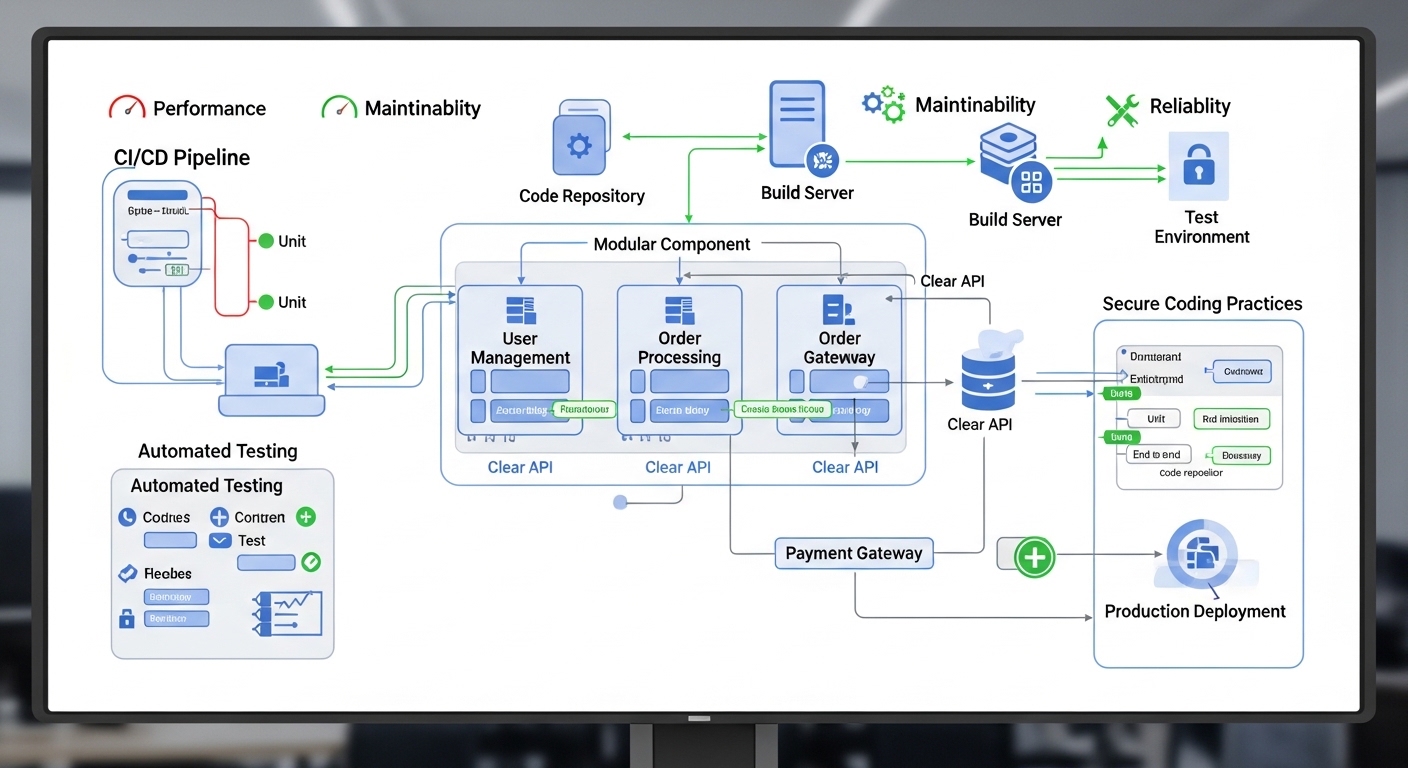
Modern development practices focus on scalability, performance, and maintainability across applications that must evolve with user demands and market changes. Teams adopt modular architectures that separate concerns, enabling independent updates without disrupting entire systems. This approach improves collaboration, as developers can work on isolated components while maintaining alignment through shared standards and documentation. Version control […]

Continuous Integration & Deployment

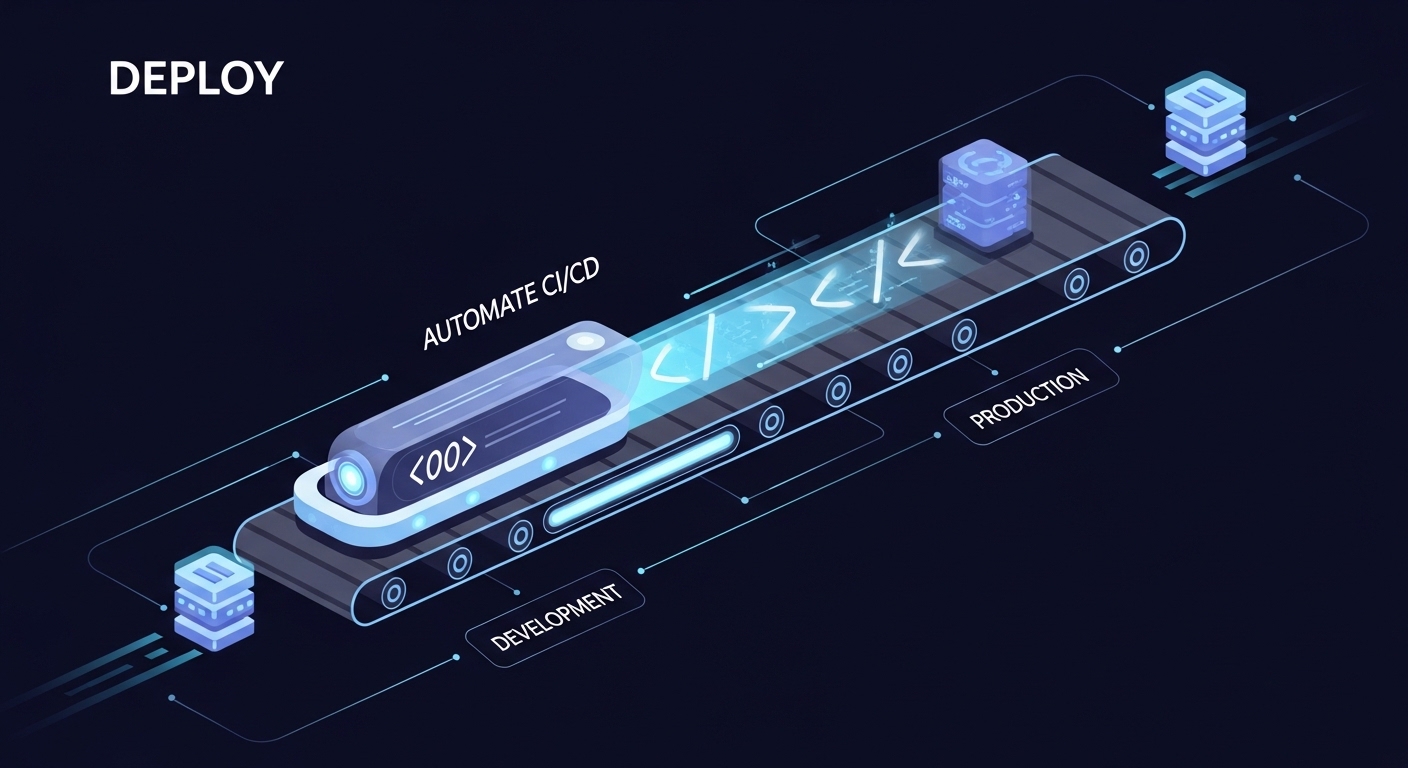
DevOps has fundamentally reshaped the relationship between development and operations teams. By dismantling traditional silos, organizations create integrated workflows that accelerate delivery while preserving system stability. DevOps is not merely a set of tools; it is a cultural and operational shift that emphasizes collaboration, automation, and shared accountability across the software lifecycle. Continuous Integration (CI) […]

Full-Stack Engineering

Full-stack development embodies the integration of front-end and back-end technologies into a unified, high-performing digital ecosystem. A full-stack engineer possesses a holistic understanding of how user interfaces, server logic, databases, and APIs interact to deliver seamless application experiences. This cross-layer expertise enables efficient problem-solving and cohesive system design. On the front end, development centers on […]

Modern Software Development

Modern software development has transformed into a comprehensive ecosystem that extends far beyond writing code. It integrates methodology, collaboration, automation, security, and continuous optimization to produce systems that are scalable, maintainable, and resilient. High-performing teams focus not only on delivering features but also on building sustainable architectures that evolve with business and user needs. Agile […]

Developing for Adaptation, Not Stability

Traditional development approaches treated control rooms as stable, finished environments. Systems were designed, installed, tested, and then expected to operate unchanged for years. Stability was considered a sign of success, and change was viewed as a risk to be avoided. Operations proved otherwise. Real-world environments are not static. Risks evolve. Technologies shift. Regulatory requirements change. […]