
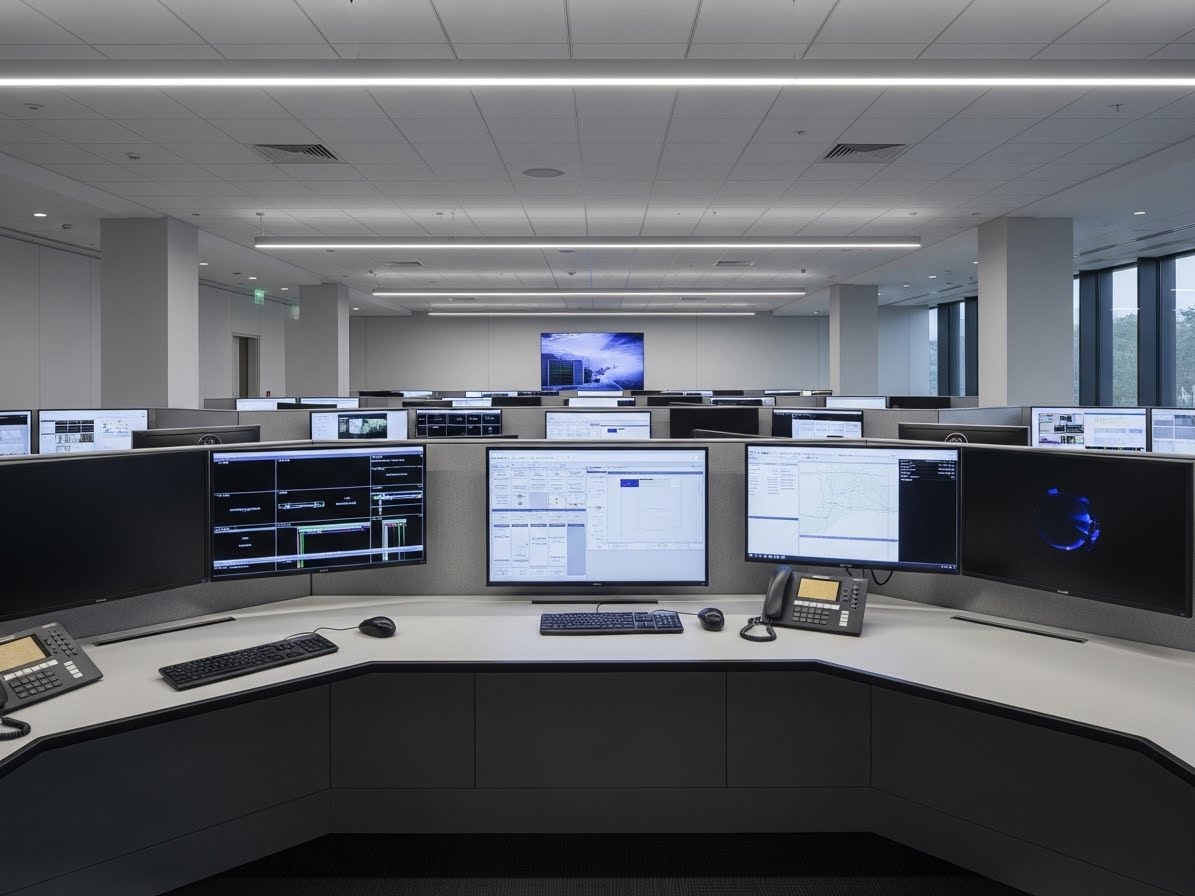
Marketing control room technology was once driven by specifications. Larger video walls, faster processors, higher resolutions, and longer feature lists dominated conversations. Success was measured by what could be displayed, installed, or technically achieved.
Buyers no longer listen that way.
Today’s decision-makers evaluate control room technology through a different lens. They care less about components and more about outcomes. They want to understand how technology will support their teams, reduce operational risk, and improve confidence under pressure. Specifications matter, but only when they connect to real-world impact.
Modern control room marketing must translate complexity into relevance. It must explain not just what the technology does, but why it matters. How does it improve clarity? How does it support human judgment? How does it make operations more resilient?
The strongest marketing does not overwhelm with detail. It creates trust. It communicates stability, coherence, and long-term value. It reassures decision-makers that the system will not only perform technically, but fit naturally into their operational reality.
In this space, effective marketing is not persuasion — it is alignment. It bridges technology and human expectation. And when done well, it communicates confidence without needing to raise its voice.