
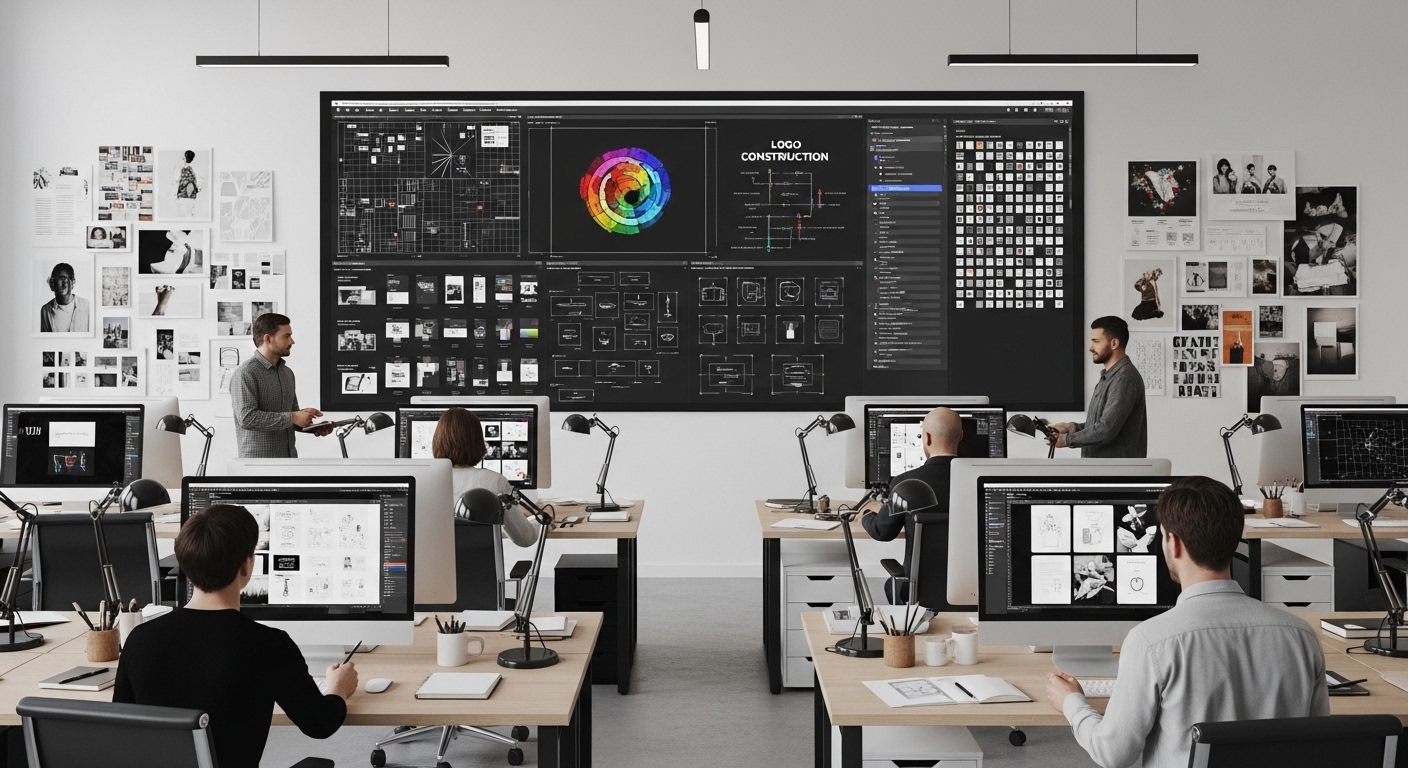
For years, control room design was approached as a matter of layout and equipment placement. Screens were mounted, consoles were arranged, and technology was installed with the assumption that functionality alone would guarantee performance. If the systems worked, the design was considered successful. But as operational environments became more complex and mission-critical stakes increased, that definition of design proved incomplete.
A control room is not simply a space filled with technology. It is a performance environment engineered to support decision-making under pressure. Every architectural line, every lighting angle, every display alignment directly influences human cognition. In high-stakes operations, design is not aesthetic — it is strategic.
Modern control room design begins with a fundamental principle: human-centered engineering. Operators must process vast amounts of information without cognitive overload. Sightlines must be precise. Displays must align naturally with seated posture. Lighting must reduce eye strain while maintaining alertness. Acoustic treatment must absorb distraction without isolating communication. These details are not secondary considerations; they are the foundation of operational clarity.
Information hierarchy is equally critical. The video wall is not a decorative centerpiece — it is the visual command structure of the room. Data must be layered intentionally. Critical alerts should surface immediately, while stable system conditions remain quietly structured in the background. Clutter is not just inefficient; it is dangerous. Design must filter complexity rather than amplify it.
True strategic design integrates physical architecture with digital intelligence. Raised flooring conceals infrastructure while maintaining accessibility. Cable management disappears into clean structural lines. Indirect linear lighting enhances focus without casting harsh reflections. Console curvature supports natural collaboration. Even supervisor positioning reinforces operational flow and accountability.
When design is fragmented, friction appears. Operators shift uncomfortably to view screens. Alerts compete for attention. Communication pathways become obstructed. Over time, these inefficiencies compound. In mission-critical contexts, small design flaws translate into measurable operational risk.
By contrast, a well-engineered control room feels composed — even during disruption. T
As infrastructure grows smarter and operations become increasingly interconnected, design must evolve beyond installation toward performance architecture. It must anticipate expansion, integrate advanced analytics, and remain adaptable to future technologies without sacrificing clarity.
At its highest level, control room design is an exercise in disciplined precision. It transforms space into strategy. It aligns environment with cognition. And in moments where seconds define outcomes, it ensures that decision-makers operate with confidence, clarity, and control.