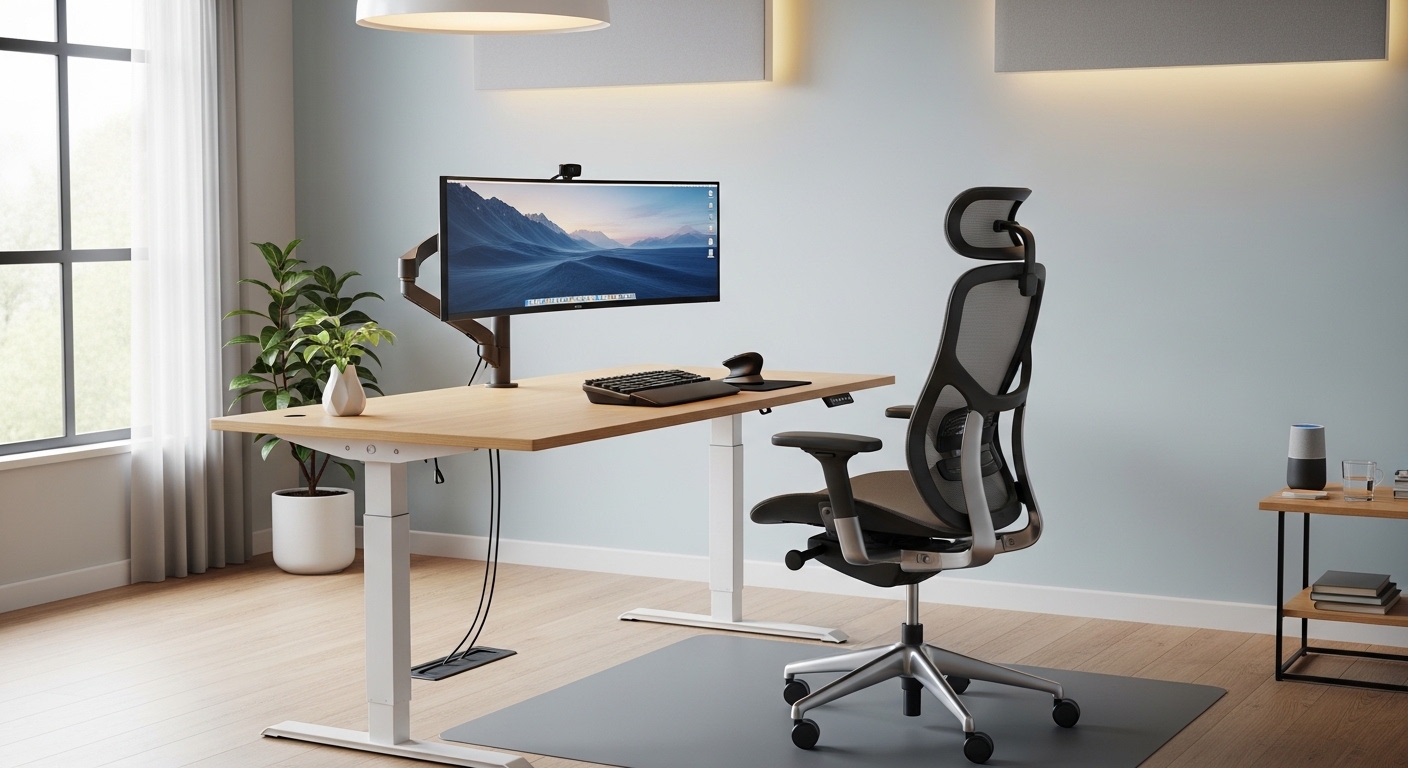
Ergonomics focuses on designing environments, tools, and workflows that fit human capabilities rather than forcing people to adapt to poorly designed systems. In workplaces, good ergonomics reduces physical strain, prevents injuries, and enhances productivity by aligning tasks with natural body movements and cognitive processes. Proper workstation setup includes adjustable chairs, monitor height at eye level, and keyboards positioned to maintain neutral wrist alignment. Lighting also plays a role, as excessive glare or insufficient illumination can cause eye strain and fatigue. Beyond physical comfort, ergonomics considers cognitive load, ensuring that interfaces, processes, and instructions are intuitive and easy to follow. This reduces errors and improves decision making in high pressure environments. In control rooms, offices, and industrial settings, ergonomic principles help operators maintain focus over long periods without unnecessary fatigue. Organizations that invest in ergonomic design often experience fewer workplace injuries, lower absenteeism, and higher employee satisfaction. Technology also supports ergonomics through tools such as adjustable desks, ergonomic peripherals, and software interfaces designed with usability in mind. Human centered design methodologies integrate ergonomics early in the development process, ensuring that products and systems are tailored to real user needs. Training and awareness are equally important, as users must understand how to properly use ergonomic equipment and maintain healthy habits such as regular breaks and posture adjustments. Over time, small ergonomic improvements accumulate into significant gains in efficiency, comfort, and overall well being. By prioritizing ergonomics, organizations create safer, more efficient, and more sustainable work environments that support both performance and long term health. Future workplace strategies increasingly incorporate ergonomics as a core requirement rather than an optional enhancement, combining data insights, user feedback, and adaptive technologies to continuously refine environments, improve comfort, and sustain productivity while reducing risk and supporting diverse user populations across industries. Clear standards and ongoing evaluation ensure effectiveness.