
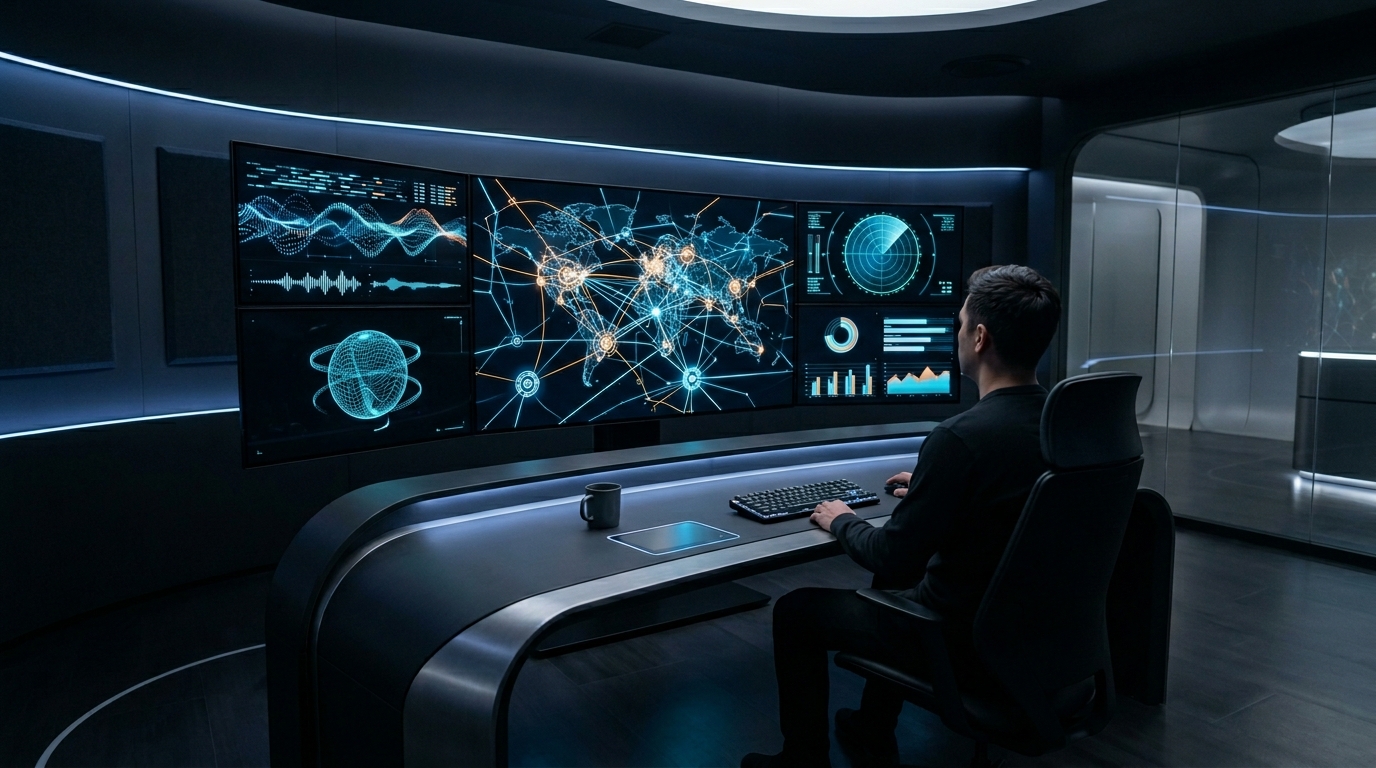
Smart control operations are reshaping the way industries manage critical processes, enabling faster decision‑making, improved safety, and higher operational accuracy. As digital transformation accelerates, control rooms have become intelligent environments that combine automation, analytics, and real‑time communication. These advancements allow organizations to monitor complex systems, respond to emergencies, and optimize performance with unprecedented efficiency.
A key advantage of smart control operations is the integration of advanced software platforms. These systems collect data from sensors, machines, and remote assets, transforming it into actionable insights. Operators can detect anomalies, track performance trends, and make informed decisions instantly. This level of intelligence reduces operational risks and ensures that processes run smoothly around the clock.
Automation also plays a major role in enhancing control room performance. Automated alerts, workflow triggers, and predictive maintenance tools help organizations stay ahead of potential failures. By minimizing manual intervention, automation increases accuracy and frees operators to focus on strategic tasks. This shift not only improves productivity but also strengthens overall system reliability.
Communication is another essential component of smart control operations. Modern control rooms use secure digital channels to coordinate teams, share updates, and manage incidents in real time. Whether overseeing industrial plants, transportation networks, or security systems, seamless communication ensures rapid response and effective collaboration.
The future of smart control operations will be shaped by AI, cloud computing, and advanced visualization technologies. These innovations will enable deeper data analysis, more accurate forecasting, and greater operational flexibility. As industries continue to evolve, smart control operations will remain a cornerstone of efficiency, safety, and long‑term success.