
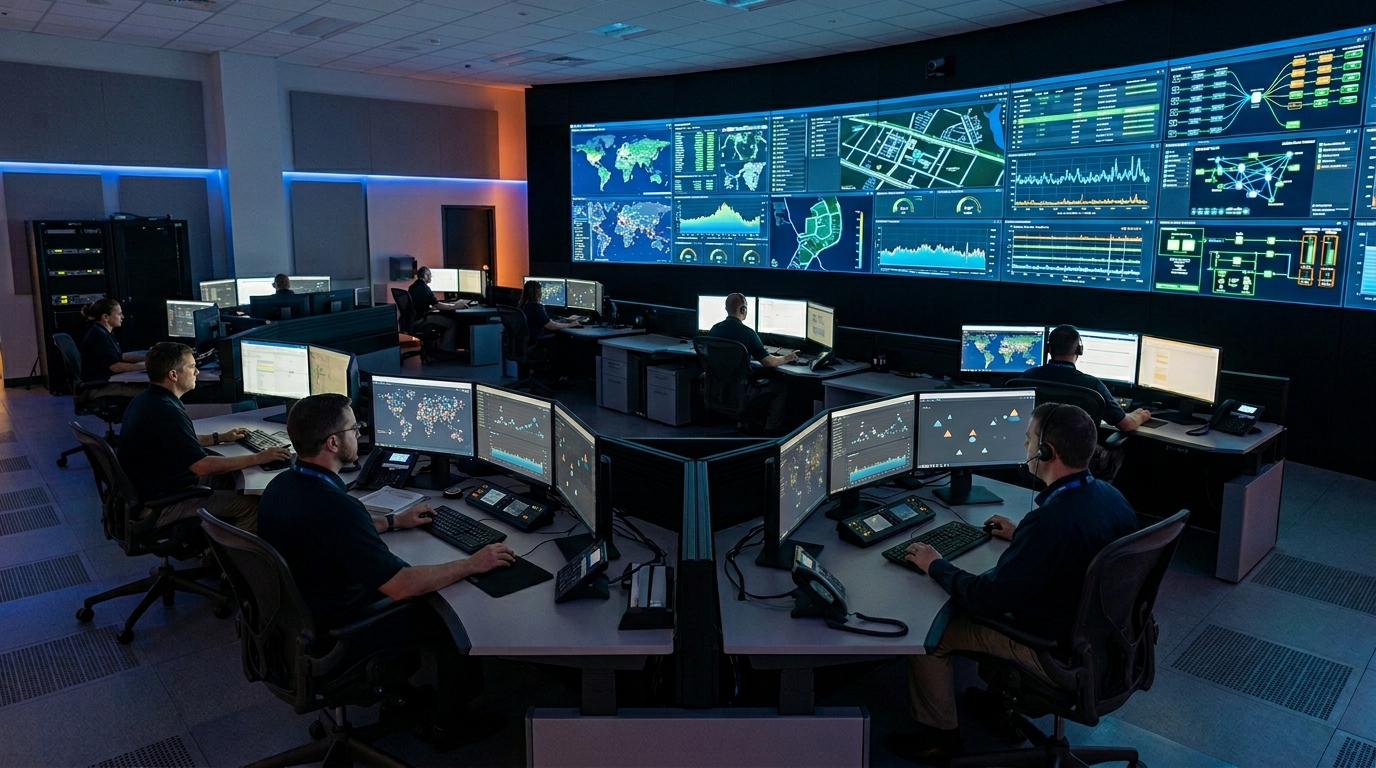
Smart control operations are transforming how organizations manage complex environments, enabling faster decision‑making, improved coordination, and enhanced operational efficiency. As digital ecosystems expand, control rooms must evolve into intelligent command centers that combine automation, analytics, and seamless communication. Smart operations empower teams to anticipate challenges, optimize workflows, and maintain uninterrupted performance.
A key driver of smart control operations is data integration. Modern control rooms consolidate information from sensors, cameras, and digital platforms into a unified dashboard. This integrated view allows operators to analyze trends, identify risks, and take action with confidence. Data integration also supports predictive insights, helping organizations prevent issues before they escalate.
Automation is another essential component. Smart control environments use automated alerts, workflow triggers, and AI‑driven analysis to reduce manual workload and increase accuracy. Automation enhances response times and ensures that critical tasks are executed consistently.
Communication plays a major role in smart operations. Integrated communication tools allow teams to coordinate across departments and locations in real time. This connectivity improves collaboration, reduces delays, and strengthens overall operational performance.
Environmental ergonomics further enhance smart operations. Proper lighting, acoustic control, and optimized workstation layouts help operators maintain focus during long shifts. A well‑designed environment supports clarity, reduces fatigue, and improves decision‑making.
As technology continues to advance, smart control operations will become even more intelligent and adaptive. Future control rooms will leverage autonomous systems, advanced analytics, and immersive visualization to deliver unparalleled operational control.