
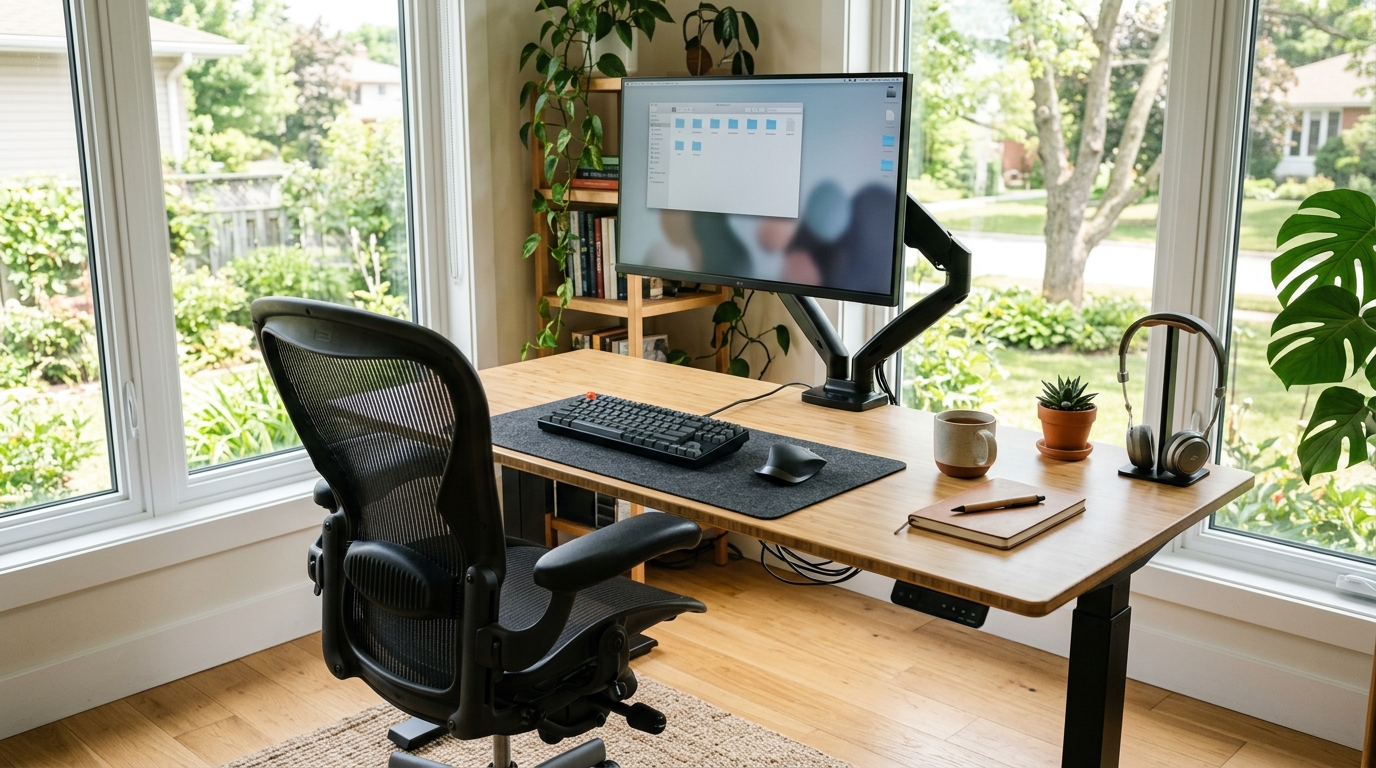
Ergonomic efficiency has become a fundamental priority for modern workplaces seeking to enhance comfort, reduce physical strain, and improve long‑term productivity. As organizations adopt more advanced technologies and extended work hours become common, ergonomics plays a crucial role in supporting employee well‑being and operational performance. A well‑designed ergonomic environment ensures that individuals can work comfortably, maintain proper posture, and avoid repetitive stress injuries.
One of the core elements of ergonomic efficiency is workspace alignment. Proper desk height, monitor positioning, and chair adjustments help maintain natural body posture. When workstations are aligned with the user’s physical needs, muscle tension decreases and focus improves. This alignment also reduces the risk of chronic issues such as back pain, neck strain, and wrist discomfort.
Another essential factor is movement optimization. Ergonomics encourages frequent micro‑movements to prevent stiffness and improve circulation. Adjustable desks, flexible seating, and strategically placed tools support natural movement throughout the day. These small adjustments significantly enhance comfort and energy levels.
Lighting and environmental ergonomics also contribute to efficiency. Proper illumination reduces eye strain, while temperature control and noise reduction create a more focused and comfortable atmosphere. Natural light, soft tones, and anti‑glare screens help maintain visual clarity and reduce fatigue.
Ergonomic accessories further enhance efficiency. Items such as footrests, wrist supports, and monitor arms allow users to customize their workspace for maximum comfort. These tools help maintain proper posture and reduce unnecessary strain.
As workplaces continue to evolve, ergonomic efficiency will remain essential for supporting health, productivity, and long‑term performance. Organizations that prioritize ergonomics create environments where employees can thrive physically and mentally.