Blog

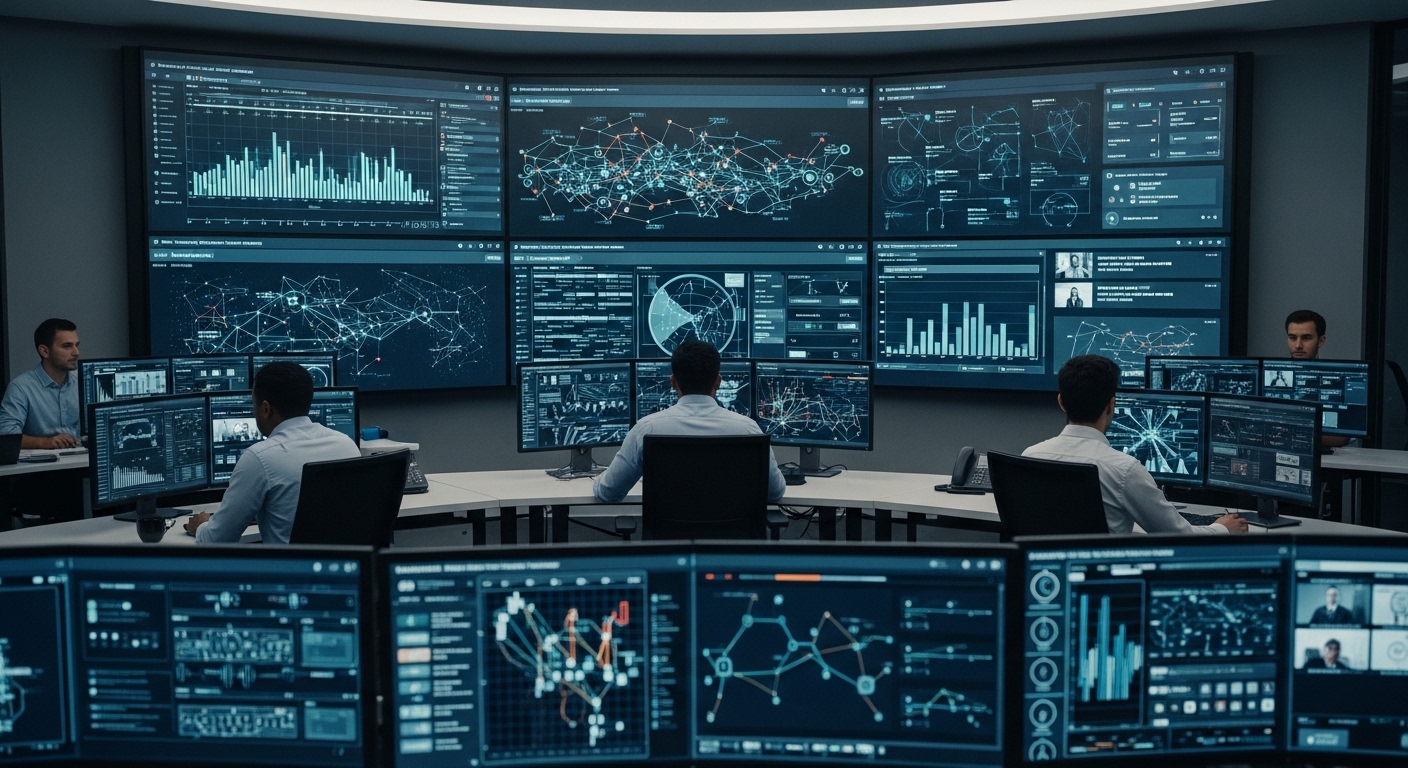
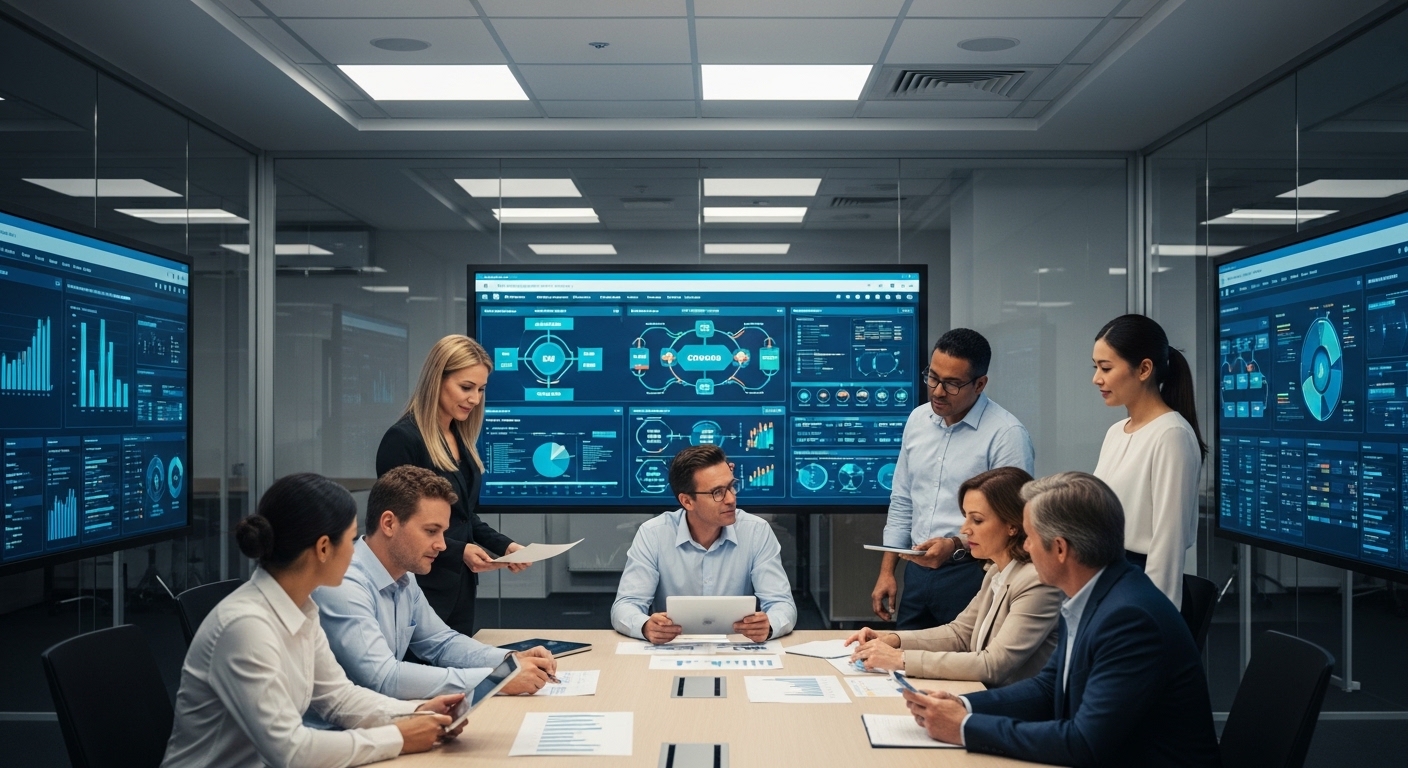
Inside the Cyber Security Operations Room: Where Digital Threats Are Contained Before They Escalate

There was a time when cybersecurity was treated as a protective layer — a firewall at the edge, an antivirus system on a device, a reactive alert when something went wrong. It operated in the background, largely invisible, activated only when an incident surfaced. But as digital infrastructure expanded and threat landscapes evolved, that model […]

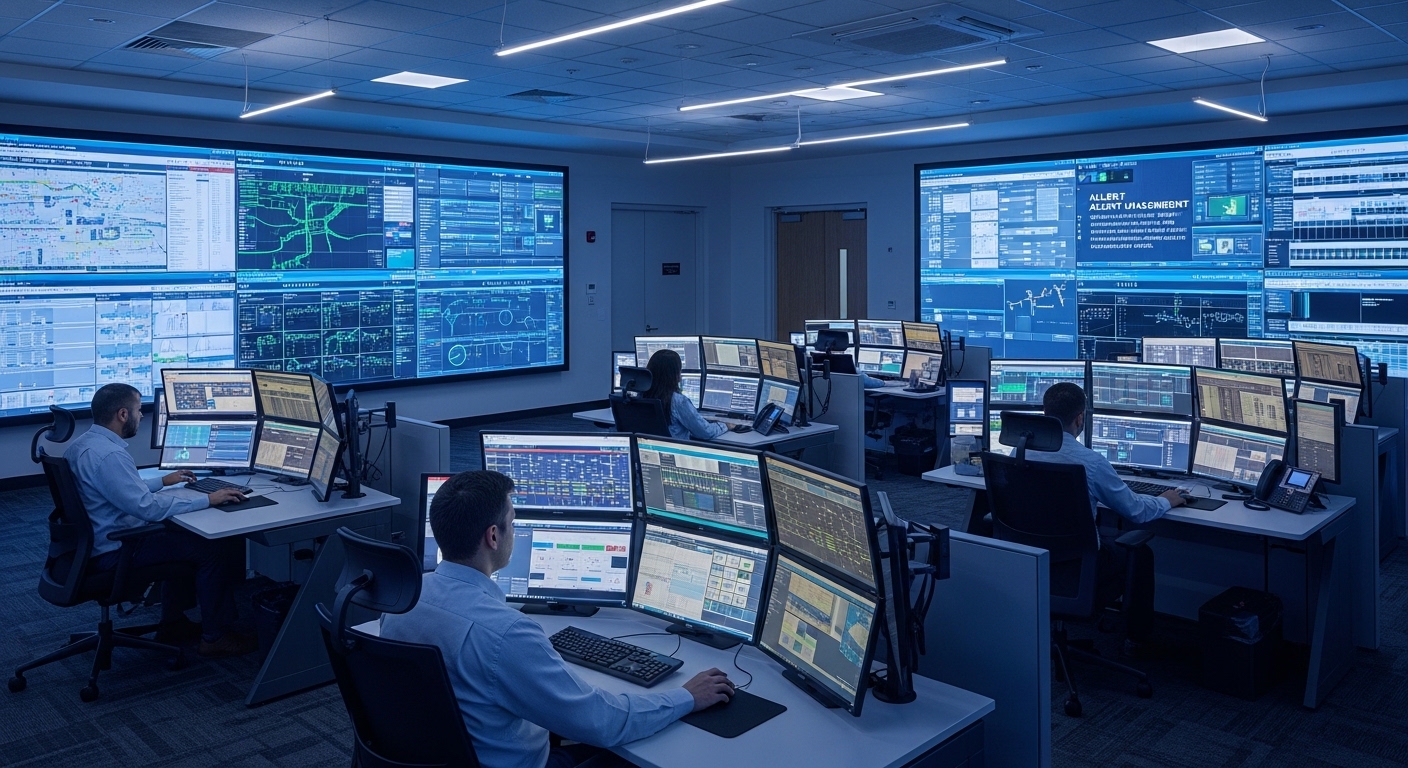
The Control Room as a Strategic Nerve Center

There was a time when a control room was defined by its equipment. Walls of screens, rows of consoles, structured seating, and structured silence. It was perceived as a physical location — a space designed to observe systems and respond when something went wrong. The room itself was the centerpiece, and technology was the measure […]

Beyond Infrastructure: Why Strong Communities Define Resilient Operations

For a long time, operational excellence was measured by systems, hardware, and software performance. The focus remained on infrastructure — stronger networks, faster processing, wider integration. Yet over time, something became increasingly clear: no matter how advanced the technology, sustainable performance depends on the people behind it. Control environments are often perceived as isolated ecosystems, […]

The Architecture of Clarity: Redefining Control Room Applications for Critical Environments

For years, control room applications were engineered as repositories of information. Their strength was measured by how much they could display, how many systems they could connect, and how densely they could populate a screen with operational signals. The assumption was straightforward: visibility equals control. If everything was accessible, then nothing would be missed. But […]

Communicating Value Beyond Specifications

Marketing control room technology was once driven by specifications. Larger video walls, faster processors, higher resolutions, and longer feature lists dominated conversations. Success was measured by what could be displayed, installed, or technically achieved. Buyers no longer listen that way. Today’s decision-makers evaluate control room technology through a different lens. They care less about components […]

The Operational Heartbeat of Organizations

Operations live at the intersection of strategy and execution. They translate vision into movement and intent into measurable outcomes. Within this continuous flow, control rooms function as the operational heartbeat of organizations — sensing change, interpreting signals, and enabling response in real time. When operations lack alignment, control rooms inherit the disorder. Conflicting priorities compete […]

Sustaining Human Performance Over Time

Ergonomics in control rooms was long reduced to a matter of furniture. Chairs, desks, and monitor placement were treated as secondary considerations — important for comfort, but separate from operational performance. As long as operators could sit and see the screens, ergonomics was considered sufficient. In reality, physical strain quietly undermines performance. Discomfort accumulates gradually. […]

Developing for Adaptation, Not Stability

Traditional development approaches treated control rooms as stable, finished environments. Systems were designed, installed, tested, and then expected to operate unchanged for years. Stability was considered a sign of success, and change was viewed as a risk to be avoided. Operations proved otherwise. Real-world environments are not static. Risks evolve. Technologies shift. Regulatory requirements change. […]

Design as a Cognitive Responsibility

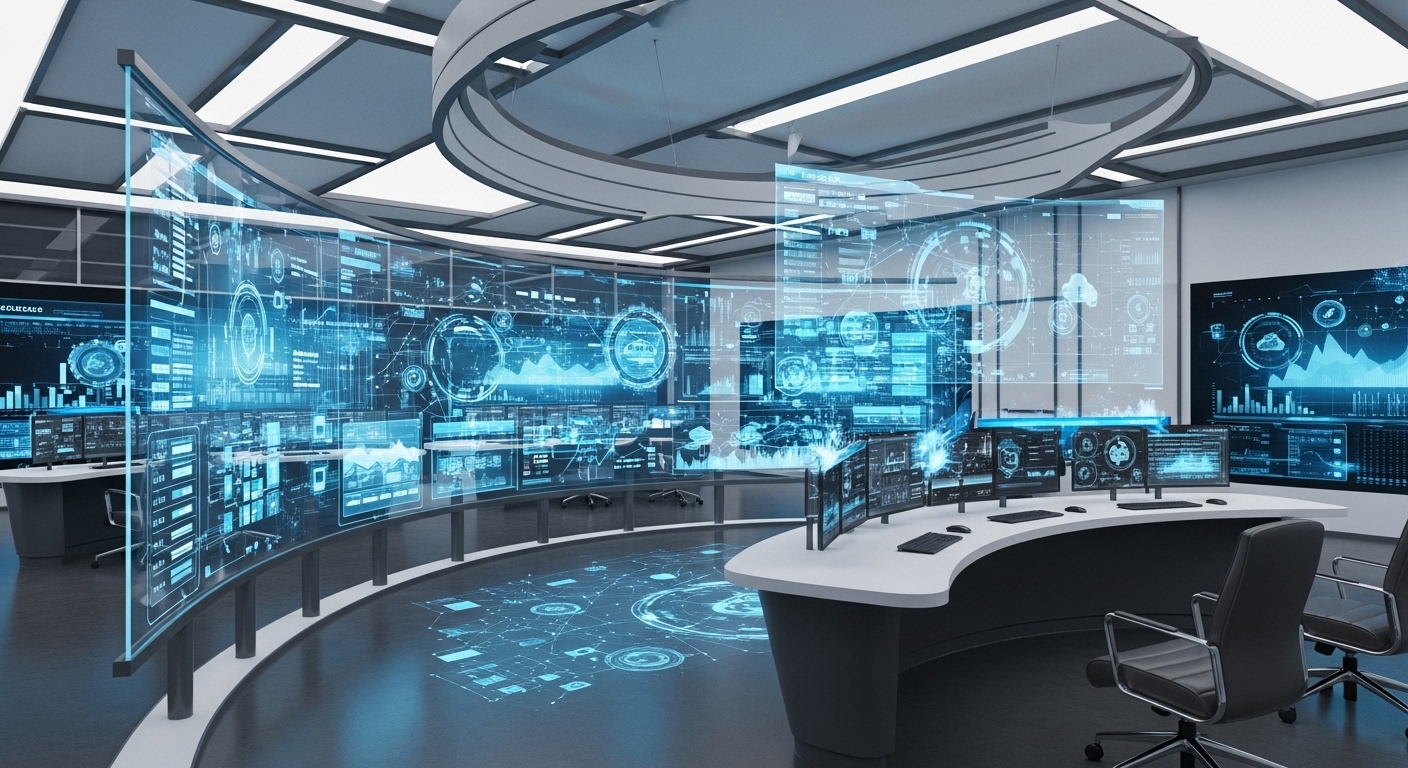
For many years, design in control rooms was treated as a surface-level concern. Clean layouts, modern colors, and visually impressive screens were considered sufficient. As long as the room looked organized, it was assumed to function well. The cognitive experience of the operator was rarely the primary focus. That assumption has changed. Today, design is […]

Designing Calm in a Landscape of Threats

Cyber security operations rooms operate in a state of constant tension. Threats evolve rapidly, attack surfaces expand, and the margin for error remains dangerously small. Every alert carries potential consequence, and every delay can amplify damage. In this environment, pressure is not occasional — it is continuous. Early cyber security environments attempted to manage this […]