The Future of Control Rooms in Smart Cities

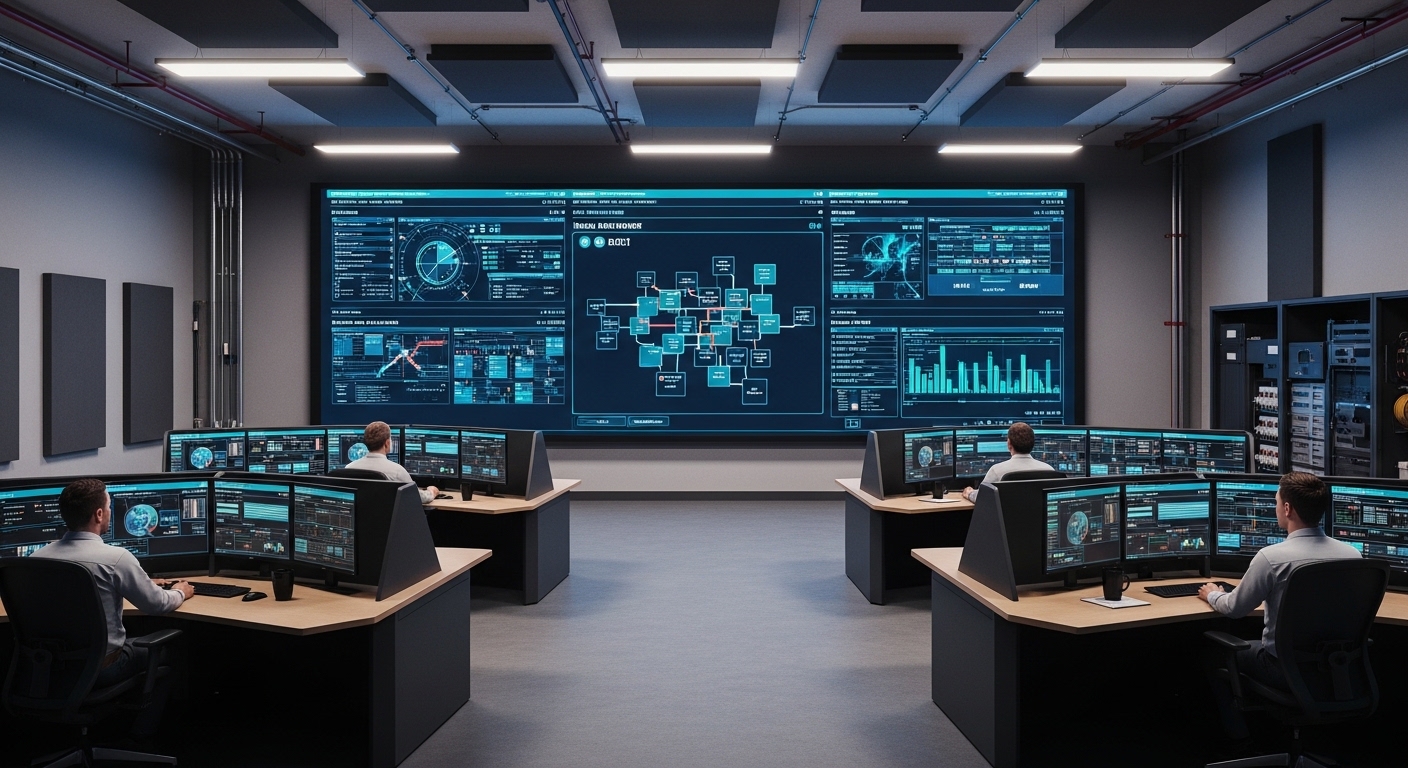
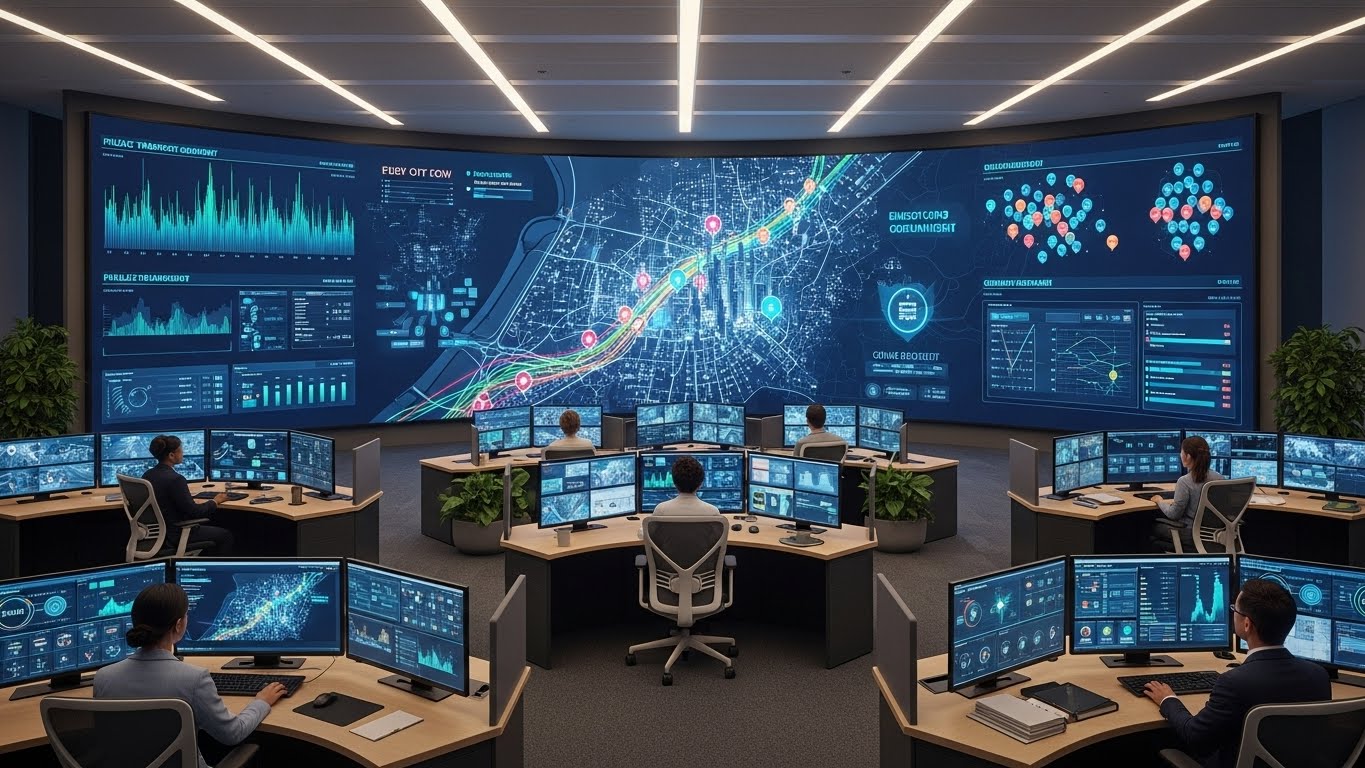
There was a time when control rooms were isolated spaces. They managed power grids, monitored traffic, or oversaw security — each in its own silo. The systems were functional, mechanical, and largely disconnected. But over the past decade, something subtle yet transformative shifted — not in the technology alone, but in the expectations of the […]

From Monitoring Spaces to Intelligent Nerve Centers

There was a time when control rooms were understood as functional spaces. Screens displayed feeds, operators monitored activity, and systems logged events. The room was mechanical, transactional, and largely reactive. It existed to watch, to record, and to respond when something went wrong. But over the past decade, something subtle yet transformative shifted — not […]

The Language of the Room

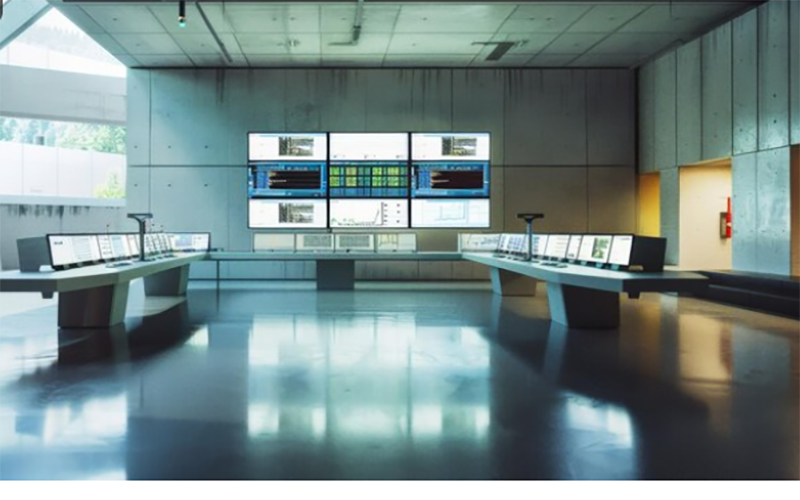
A control room speaks—not in words, but in signals. Its walls convey calm through muted tones. Its lighting communicates focus through precision. Its layout whispers efficiency through intuitive flow. Every element, from the curve of a console to the placement of a power button, forms part of a silent language—one designed not for visitors, but […]

The Invisible Thread of Integrated Execution

Building a control room is rarely about a single component. It is not just about screens, or software, or seating. It is about the invisible thread that weaves these elements into a unified whole—a thread made of planning, coordination, and deep technical fluency. This is the essence of integrated execution: the seamless orchestration of disciplines […]

The Architecture of Trust

In mission-critical operations, trust is not declared—it is built. It is constructed layer by layer, decision by decision, through consistency, transparency, and unwavering attention to detail. And nowhere is this trust more tangible than in the physical and operational architecture of a control room—a space where reliability must be engineered into every component, every workflow, […]

The Geometry of Focus

In a control room, space is not empty. It is charged—with intent, with function, with purpose. Every meter is calibrated not for aesthetics, but for attention. The distance between operator and screen, the arc of reach to critical controls, the sightlines across multiple workstations—these are not arbitrary measurements. They are the geometry of focus, a […]

The Space Between Data and Decision

In the rhythm of mission-critical operations, there exists a space that is rarely measured but always felt—the space between data and decision. It is not physical, yet it is shaped by physical design. It is not technical, yet it is influenced by technology. It is the cognitive gap where information becomes insight, where observation becomes […]

The Weight of Consistency

In mission-critical environments, reliability is not a feature—it is the foundation. And reliability, in turn, is built on consistency: the consistent alignment of intent and execution, of design and function, of human need and technical response. This consistency does not emerge from isolated moments of excellence. It is cultivated through a disciplined approach that honors […]

The Quiet Promise of Excellence

In the world of mission-critical operations, excellence is rarely announced. It does not arrive with fanfare or bold claims. Instead, it reveals itself in the quiet consistency of a well-calibrated environment—in the way data appears without clutter, controls respond without hesitation, and operators move through their shifts with sustained focus. This is not accidental reliability. […]

The Human Behind the Dashboard

In the glow of a control room, data flows like a river—constant, complex, and ceaseless. Graphs rise and fall, maps pulse with activity, alerts blink with quiet urgency. But behind every dashboard, behind every interface, sits a human being. Not a machine. Not an algorithm. A person—breathing, thinking, interpreting, deciding. And it is this human […]