
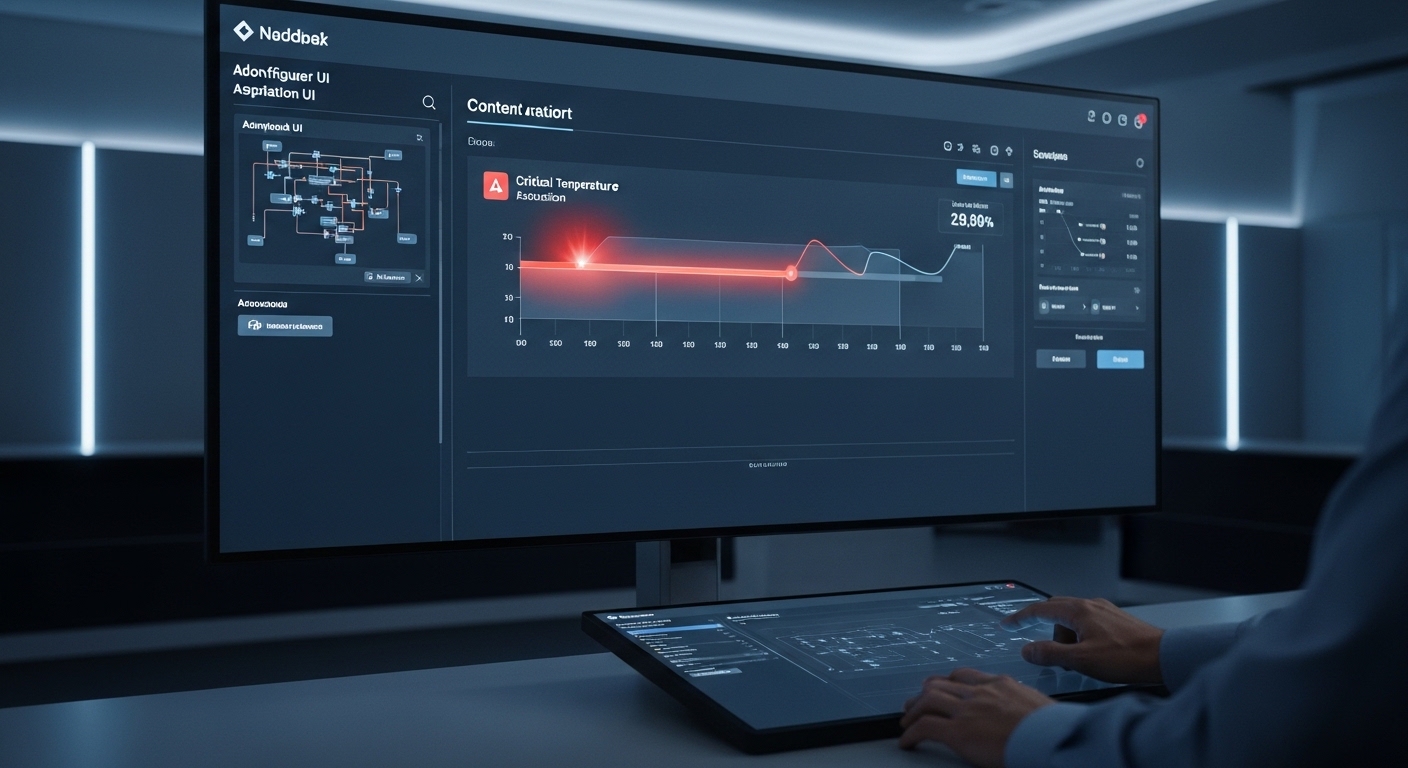
There was a time when applications in operational environments were built to display as much data as possible. The assumption was simple: more information meant better decisions. Over time, this approach revealed its limitations, especially in high-pressure environments where clarity, not quantity, determines performance.
Modern applications are now designed with context at their core. Instead of overwhelming users with raw data, they prioritize relevance. Information is filtered, structured, and presented based on the operator’s immediate needs. This shift transforms applications from passive data displays into active decision-support systems.
Context-driven applications adapt dynamically. They respond to operational states, highlight anomalies, and suppress non-critical information. By doing so, they reduce cognitive load and allow operators to focus on what truly matters. Alerts become meaningful, dashboards become intuitive, and workflows become streamlined.
Integration plays a vital role in enabling this transformation. Data from multiple systems is unified into a single interface, eliminating fragmentation and reducing the need to switch between platforms. This continuity enhances situational awareness and accelerates response time.
The value of modern applications lies in their ability to guide attention rather than demand it. They operate quietly in the background, surfacing insights at the right moment. In high-stakes environments, this balance between visibility and simplicity becomes essential.
Applications are no longer just tools—they are intelligent layers that shape how decisions are made. By aligning technology with human cognition, context-driven applications redefine efficiency, accuracy, and operational confidence.