
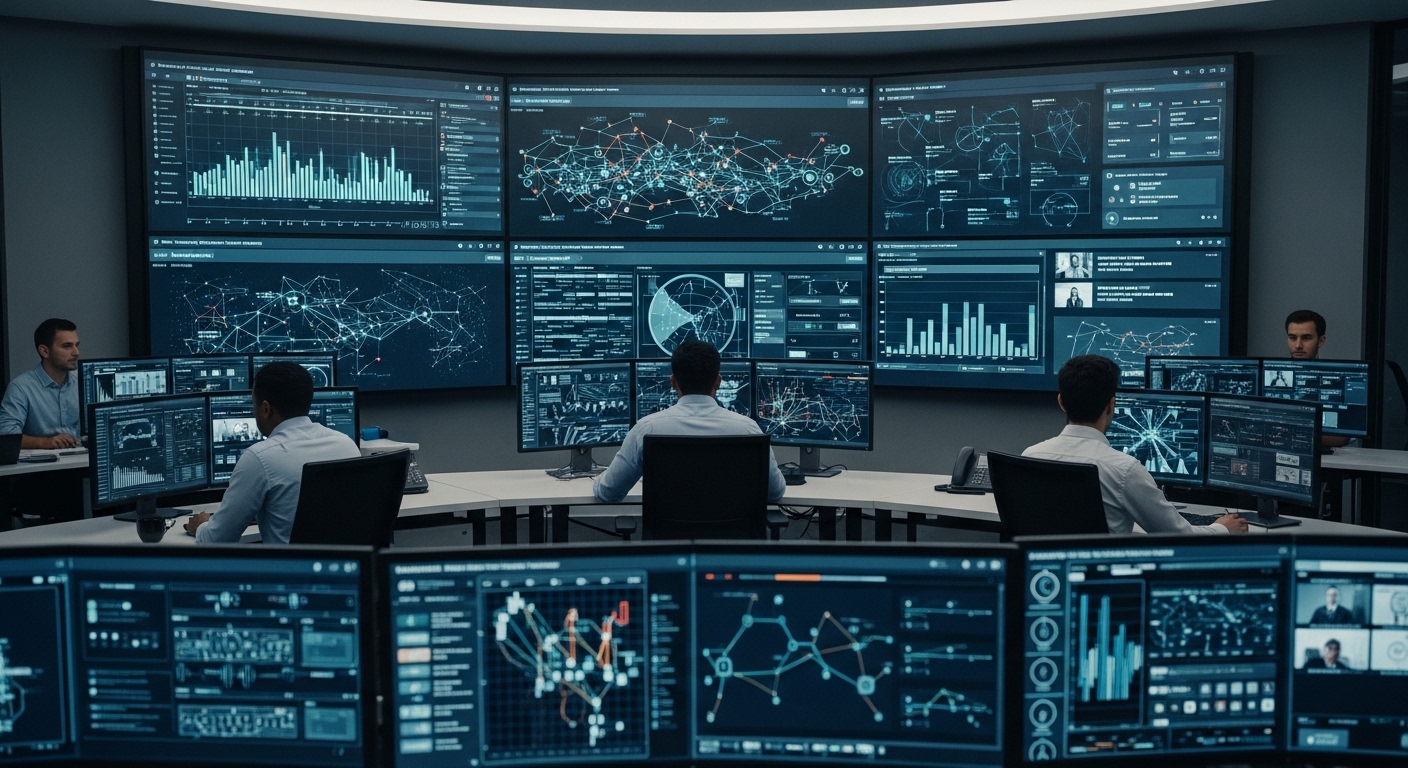
Effective incident response forms the backbone of modern cybersecurity operations. Cyber Security Operations Rooms (CSORs) function as centralized command environments where threats are detected, analyzed, and mitigated with speed, coordination, and precision. In high-risk digital ecosystems, response capability often determines whether an incident becomes a minor disruption or a major breach.
Structured protocols guide every stage of response. When a threat is detected, it is logged, categorized, and assigned a severity level based on potential impact. Analysts follow predefined workflows to contain compromised assets, prevent lateral movement, and restore affected systems. Clear escalation paths and real-time communication channels ensure that leadership, technical teams, and relevant stakeholders remain informed throughout the process.
Automation significantly enhances operational efficiency. Security orchestration tools execute repetitive tasks such as isolating endpoints, blocking malicious IP addresses, disabling compromised credentials, and generating compliance reports. By reducing manual intervention, automation accelerates containment while allowing analysts to concentrate on complex investigations that require contextual understanding and strategic judgment.
Collaboration strengthens resilience. Security teams coordinate with IT, compliance, and executive leadership to align technical mitigation with business continuity priorities. Sharing threat intelligence, attack indicators, and remediation strategies improves collective awareness. Regular simulations, red-team exercises, and tabletop drills prepare teams for high-pressure scenarios, refining coordination and response timing.
Modern incident response extends beyond reaction. Continuous monitoring, proactive threat hunting, and intelligence integration help identify weaknesses before adversaries exploit them. Post-incident reviews transform events into structured learning opportunities, improving playbooks and strengthening defensive architecture.
A well-optimized operations room does more than manage crises—it builds adaptive capability. By combining disciplined processes, automation, and cross-functional collaboration, organizations enhance readiness, minimize impact, and create a resilient cybersecurity posture capable of evolving alongside emerging threats.