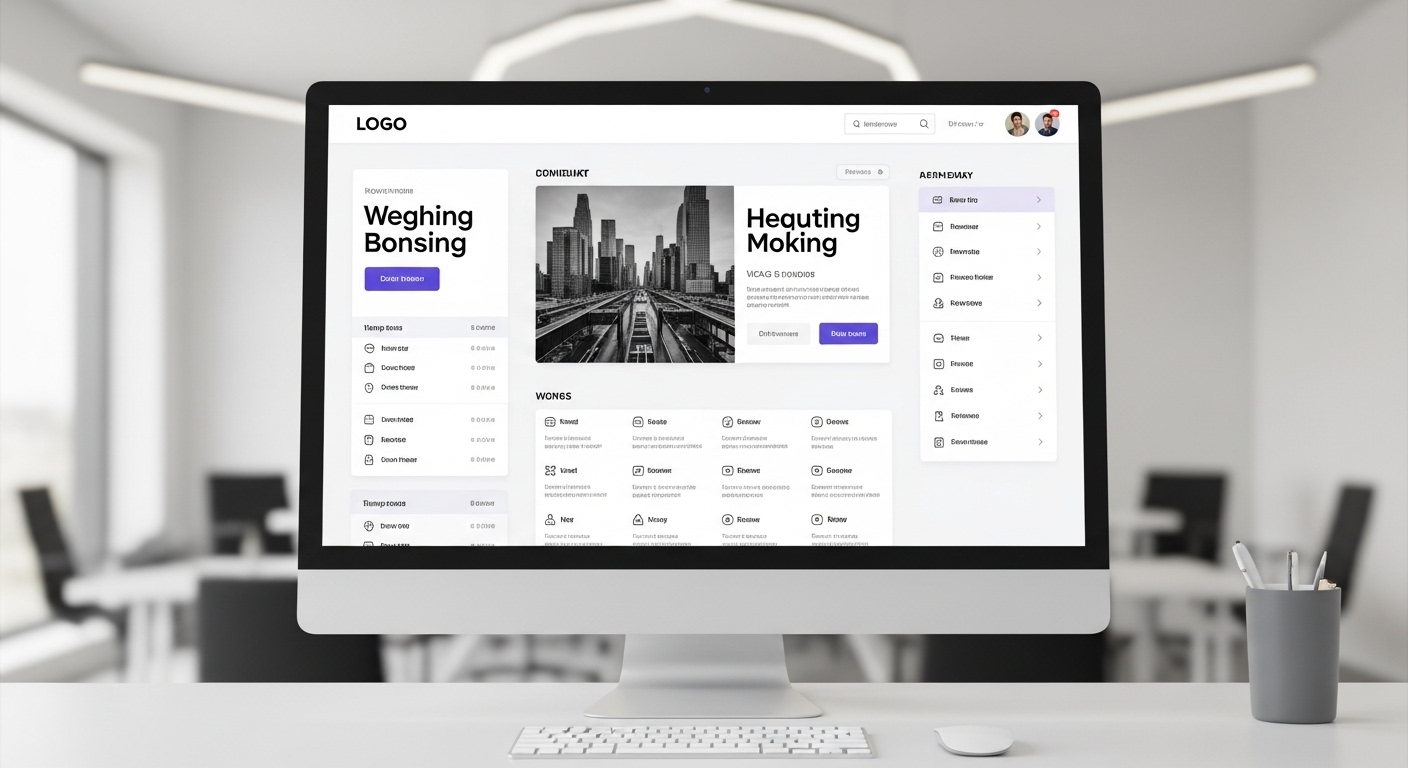
Design today is no longer just about aesthetics; it is a strategic tool that shapes user experience, builds trust, and drives business growth across digital and physical environments. Modern brands rely on design systems that ensure consistency, clarity, and scalability across platforms, allowing teams to collaborate efficiently while maintaining a unified visual language. From typography and color theory to layout and interaction patterns, every element contributes to how users perceive and engage with a product or service. Effective design is rooted in research and empathy, where understanding user needs leads to intuitive interfaces and meaningful experiences that reduce friction and increase satisfaction. Collaboration between designers, developers, and stakeholders is essential to translate ideas into practical solutions that balance creativity with functionality and performance. As technology evolves, design must adapt to new devices, accessibility standards, and user behaviors, ensuring inclusivity and responsiveness in every context. Ultimately, strong design is not just visual decoration but a problem-solving discipline that aligns business goals with user expectations, creating value at every touchpoint. Organizations that invest in design maturity often see improved conversion rates, stronger brand recognition, and higher customer retention over time. Design thinking methodologies encourage iterative testing, rapid prototyping, and continuous feedback loops that refine solutions before full-scale implementation. By embracing data-driven insights alongside creativity, teams can validate assumptions and make informed decisions that improve usability and performance. Consistency in visual elements such as spacing, hierarchy, and alignment helps users navigate interfaces with ease and reduces cognitive load. Accessibility considerations, including contrast ratios, readable fonts, and keyboard navigation, ensure that designs are usable by a wider audience, including people with disabilities. In competitive markets, well-executed design becomes a differentiator that communicates professionalism, builds credibility, and enhances overall user satisfaction. Continuous learning and staying updated with design trends help designers consistently deliver impactful solutions over time.