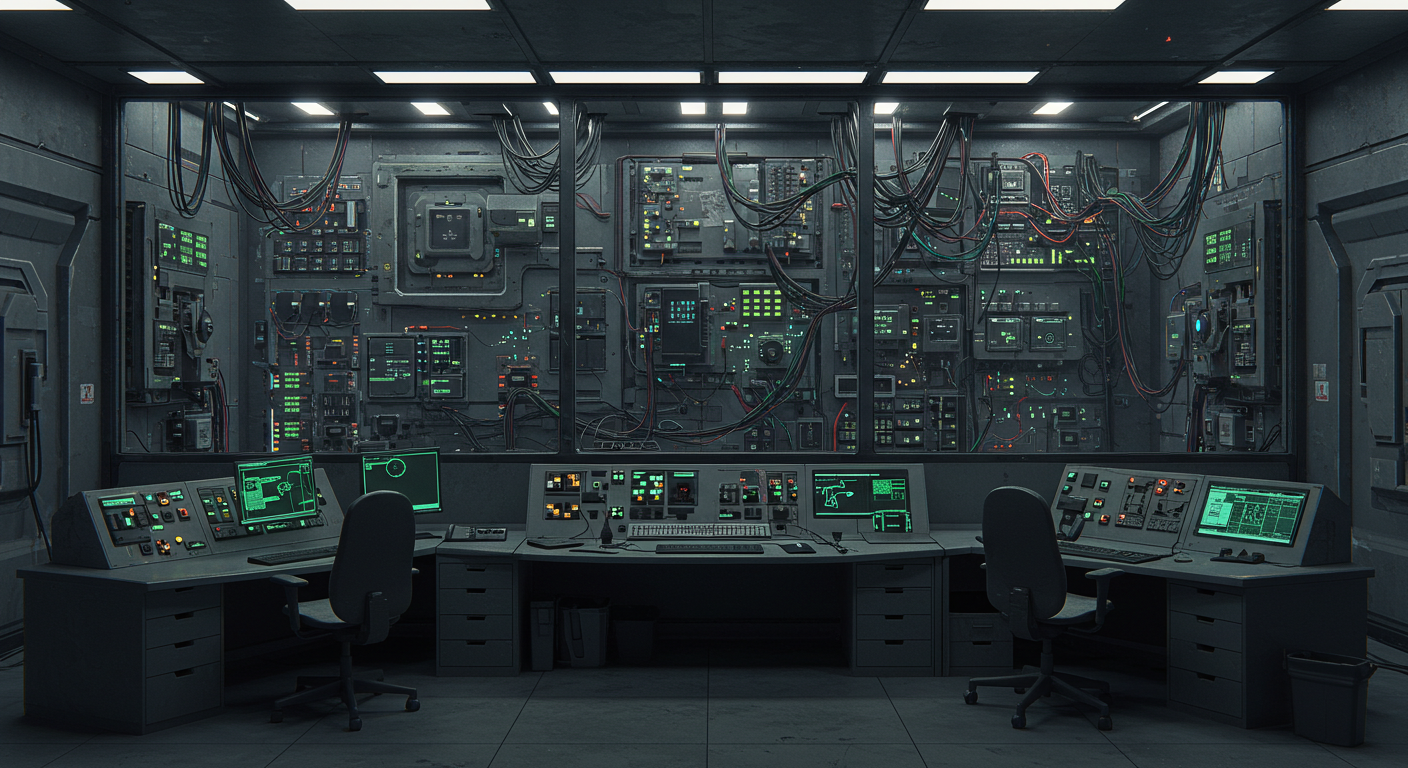
Human-Centered Control Room Design

There was a time when control rooms were designed around machines. Rows of screens, blinking lights, and endless alerts defined the environment. Operators were expected to adapt to the system, not the other way around. The space was functional, mechanical, and largely overwhelming. But over the past decade, something subtle yet transformative shifted — not […]

The Invisible Thread of Integrated Execution

Building a control room is rarely about a single component. It is not just about screens, or software, or seating. It is about the invisible thread that weaves these elements into a unified whole—a thread made of planning, coordination, and deep technical fluency. This is the essence of integrated execution: the seamless orchestration of disciplines […]

The Architecture of Trust

In mission-critical operations, trust is not declared—it is built. It is constructed layer by layer, decision by decision, through consistency, transparency, and unwavering attention to detail. And nowhere is this trust more tangible than in the physical and operational architecture of a control room—a space where reliability must be engineered into every component, every workflow, […]

The Geometry of Focus

In a control room, space is not empty. It is charged—with intent, with function, with purpose. Every meter is calibrated not for aesthetics, but for attention. The distance between operator and screen, the arc of reach to critical controls, the sightlines across multiple workstations—these are not arbitrary measurements. They are the geometry of focus, a […]

The Space Between Data and Decision

In the rhythm of mission-critical operations, there exists a space that is rarely measured but always felt—the space between data and decision. It is not physical, yet it is shaped by physical design. It is not technical, yet it is influenced by technology. It is the cognitive gap where information becomes insight, where observation becomes […]

The Quiet Promise of Excellence

In the world of mission-critical operations, excellence is rarely announced. It does not arrive with fanfare or bold claims. Instead, it reveals itself in the quiet consistency of a well-calibrated environment—in the way data appears without clutter, controls respond without hesitation, and operators move through their shifts with sustained focus. This is not accidental reliability. […]

The Quiet Architecture of Vigilance

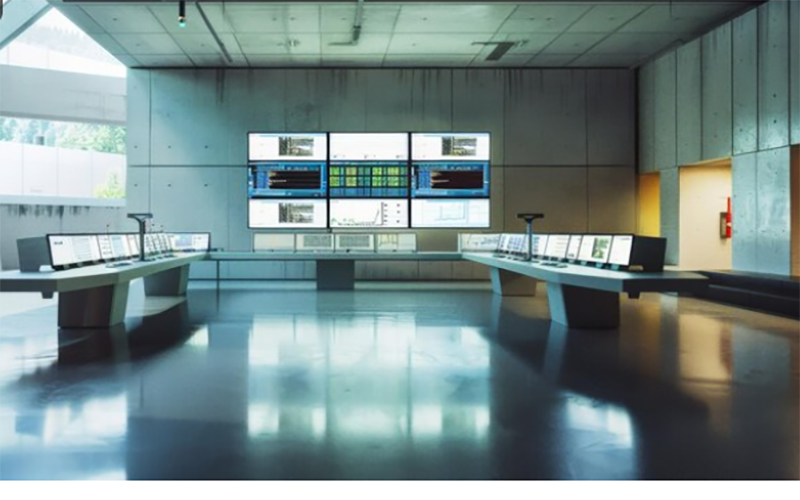
In the heart of every resilient operation—whether managing a power grid, coordinating emergency response, or overseeing urban transit—there exists a space where time slows and attention sharpens. This is not a place of spectacle, but of stillness. Not of noise, but of nuance. Here, walls do not echo with urgency; they absorb it. Light does […]

The Discipline of Seamless Continuity

In the world of mission-critical operations, success is rarely the result of a single brilliant component. It emerges from continuity—the unbroken thread that runs from the first sketch to the final calibration, from the initial consultation to the thousandth hour of live operation. This continuity is not accidental. It is cultivated through discipline: the discipline […]