Human-Centered Control Room Design

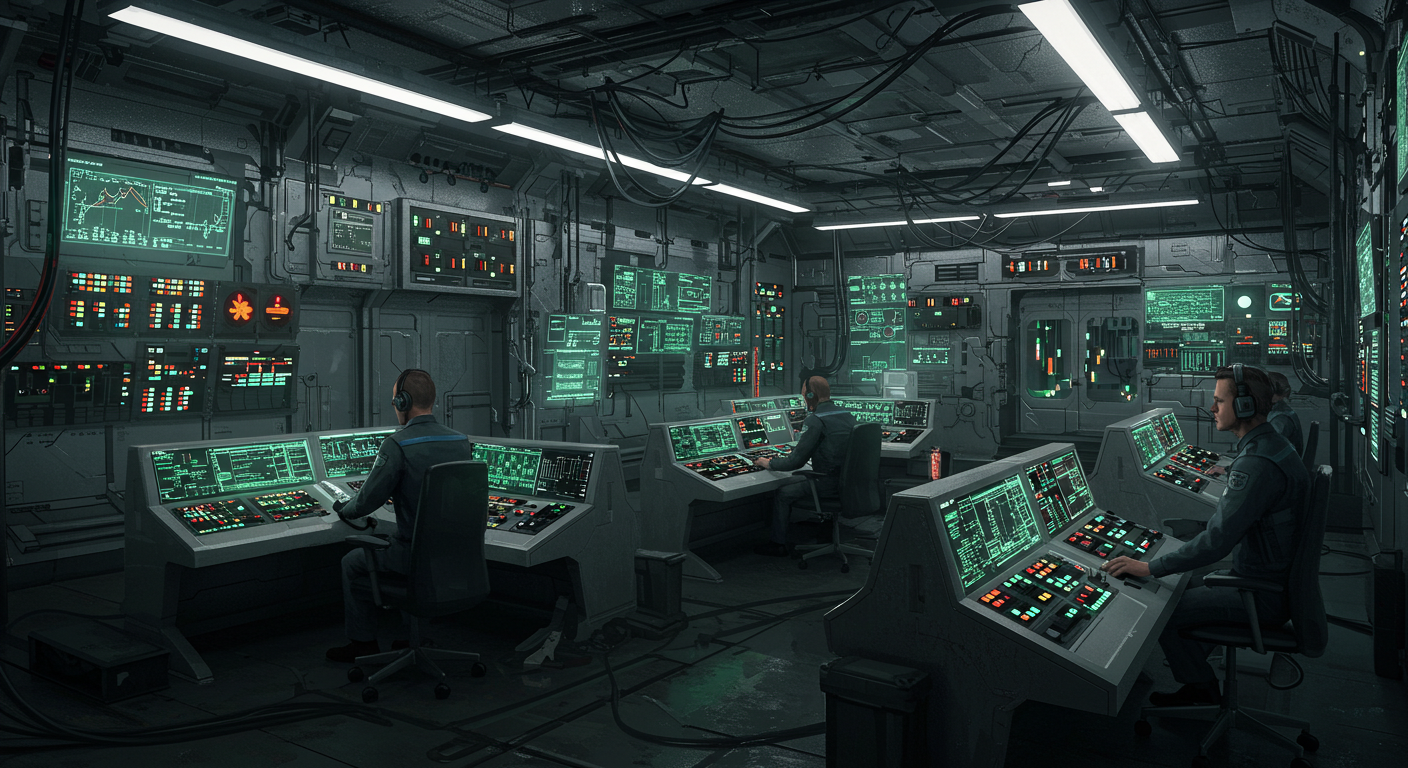
There was a time when control rooms were designed around machines. Rows of screens, blinking lights, and endless alerts defined the environment. Operators were expected to adapt to the system, not the other way around. The space was functional, mechanical, and largely overwhelming. But over the past decade, something subtle yet transformative shifted — not […]

The Language of the Room

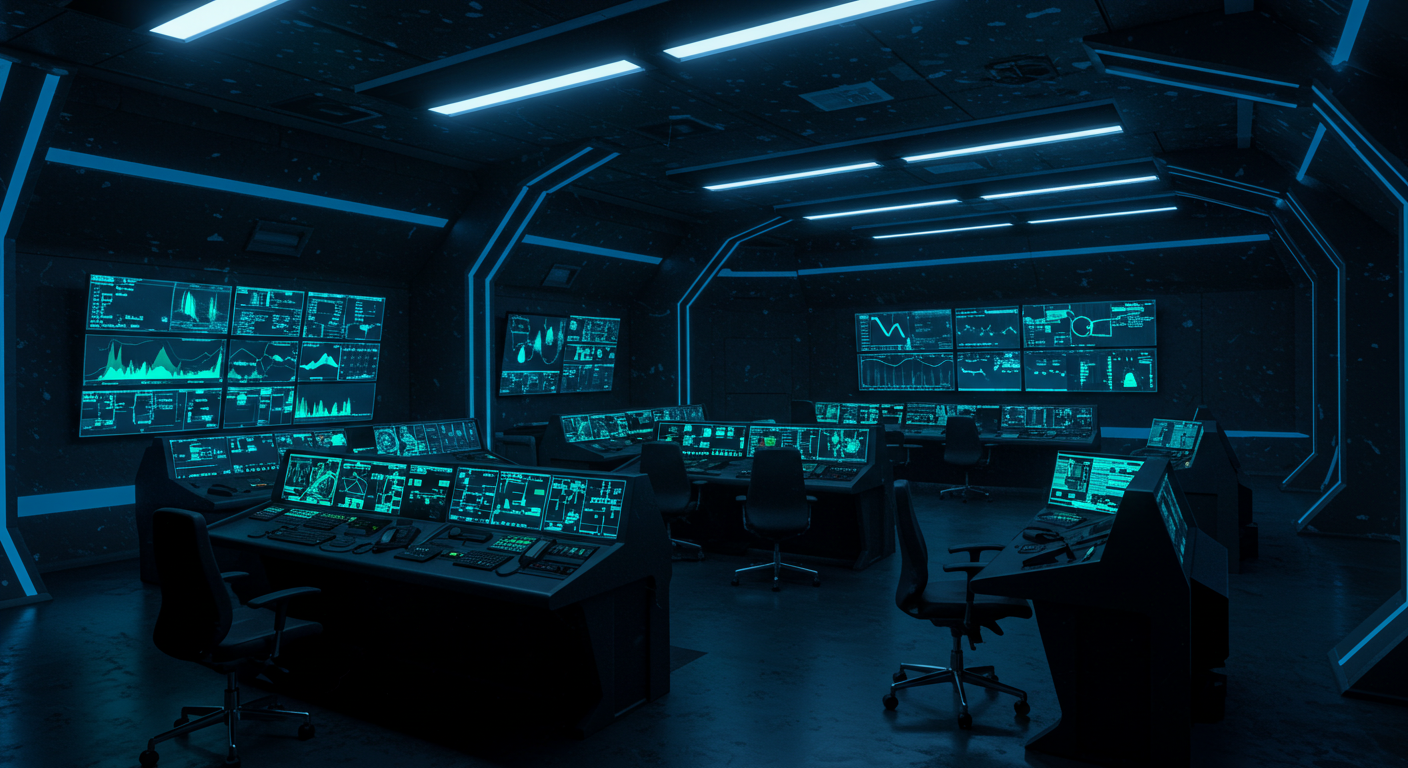
A control room speaks—not in words, but in signals. Its walls convey calm through muted tones. Its lighting communicates focus through precision. Its layout whispers efficiency through intuitive flow. Every element, from the curve of a console to the placement of a power button, forms part of a silent language—one designed not for visitors, but […]

The Geometry of Focus

In a control room, space is not empty. It is charged—with intent, with function, with purpose. Every meter is calibrated not for aesthetics, but for attention. The distance between operator and screen, the arc of reach to critical controls, the sightlines across multiple workstations—these are not arbitrary measurements. They are the geometry of focus, a […]

The Quiet Promise of Excellence

In the world of mission-critical operations, excellence is rarely announced. It does not arrive with fanfare or bold claims. Instead, it reveals itself in the quiet consistency of a well-calibrated environment—in the way data appears without clutter, controls respond without hesitation, and operators move through their shifts with sustained focus. This is not accidental reliability. […]

The Human Behind the Dashboard

In the glow of a control room, data flows like a river—constant, complex, and ceaseless. Graphs rise and fall, maps pulse with activity, alerts blink with quiet urgency. But behind every dashboard, behind every interface, sits a human being. Not a machine. Not an algorithm. A person—breathing, thinking, interpreting, deciding. And it is this human […]